
Thad Bell climbed a ladder to capture an armed fugitive. A shotgun blast tore away his lower jaw—but it did not end his career.
The Sheriff Who Wouldn’t Stay Down
Thad Bell climbed a ladder to capture an armed fugitive. A shotgun blast tore away his lower jaw—but it did not end his career.
Sheriff Thad Bell knew Buck Qualls was dangerous.
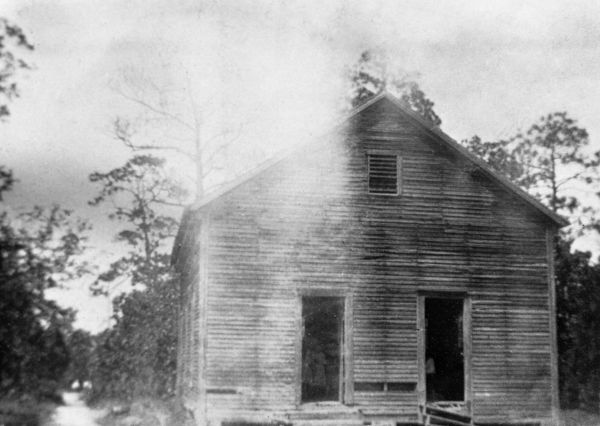
Qualls had already escaped from Bell’s jail and remained determined not to return. Now the fugitive was hiding in the attic of his father’s farmhouse near Laurel Hill—and he had a shotgun.
Bell searched the house but initially found no sign of him. Then he heard movement overhead and discovered a ladder leading to the attic.
As the sheriff approached, Qualls called down a warning.
If Bell climbed the ladder, he would be shot.
For some men, that warning would have ended the attempt. Bell could have withdrawn from the house, surrounded it, and waited. No one could have accused him of cowardice for refusing to climb through a narrow opening toward an armed man who held every advantage.
But Thad Bell was the sheriff of Walton County. Qualls was his prisoner, and Bell had come to take him back.
The sheriff began climbing.
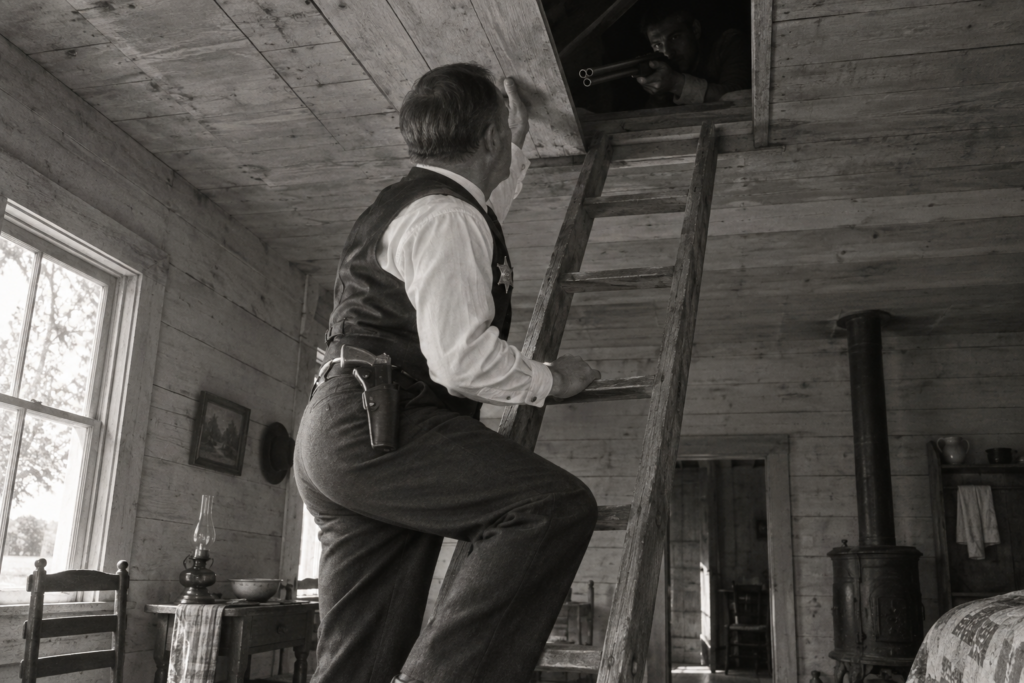
Bell reached the top of the ladder and raised the attic trapdoor. Qualls was waiting in the darkness with a shotgun.
The blast struck Bell squarely in the face, tearing away much of his lower jaw. The force knocked him from the ladder and sent him crashing to the floor.
The wound was terrible. Newspapers reported that it was probably fatal.
But Thad Bell was not finished.
The sheriff pulled himself from the floor, staggered out of the farmhouse, and somehow reached his automobile. With his face shattered and blood pouring from the wound, he drove to a neighbor’s house.
Only then did someone else take over.
Bell was rushed across the state line to a hospital in Florala, Alabama. His condition was so grave that arrangements were made to transport him to New Orleans for specialized treatment. Few who heard the first reports expected him to survive the night.
He survived.
Weeks later, reports from New Orleans said the sheriff was steadily improving. His recovery was not merely sufficient to leave the hospital. Bell eventually returned to Walton County, resumed his duties, and continued serving as sheriff until January 1933.
Buck Qualls had warned Thad Bell not to climb that ladder.
Bell climbed anyway.
The shotgun knocked him down—but it did not keep him there.
The newspapers initially expected Sheriff Thad Bell to die. They had good reason. A shotgun blast had destroyed his lower jaw, knocked him from a ladder, and left him critically wounded miles from substantial medical care.
Yet Bell rose from the floor, reached his automobile, and drove himself toward help. He survived the trip to Florala, survived the journey to New Orleans, and survived wounds that physicians and newspapermen believed would kill him.
Then he returned to work.
There may always be disagreement over everything that happened inside that farmhouse before the shooting. There can be little disagreement about what happened afterward.
Thad Bell climbed the ladder knowing an armed fugitive was waiting above him. He took a shotgun blast to the face. He fell. And then the sheriff got back up.
Walton County makes em tough.

Discover more from Sweet Tea Murders
Subscribe to get the latest posts sent to your email.