Book Michael!

Bring History to Life 

True Crime Storytelling • Criminal Justice History • Leadership • Training 

A good story entertains an audience. A great story stays with them. 

Michael Earl Simmons brings together decades of criminal justice experience, historical research, and storytelling to present true stories of crime, policing, courage, failure, innovation, and change. 

Sometimes the purpose is simply to transport an audience back into another time and tell an unforgettable true crime story. Other times, the story becomes the doorway to something larger: a discussion about leadership, training, officer safety, investigations, technology, professional standards, or how the criminal justice profession has changed. Either way, it begins with a story. 

Two Ways to Bring Michael to Your Audience 

Historical True Crime & Storytelling 

Real crimes. Real people. Real history. 

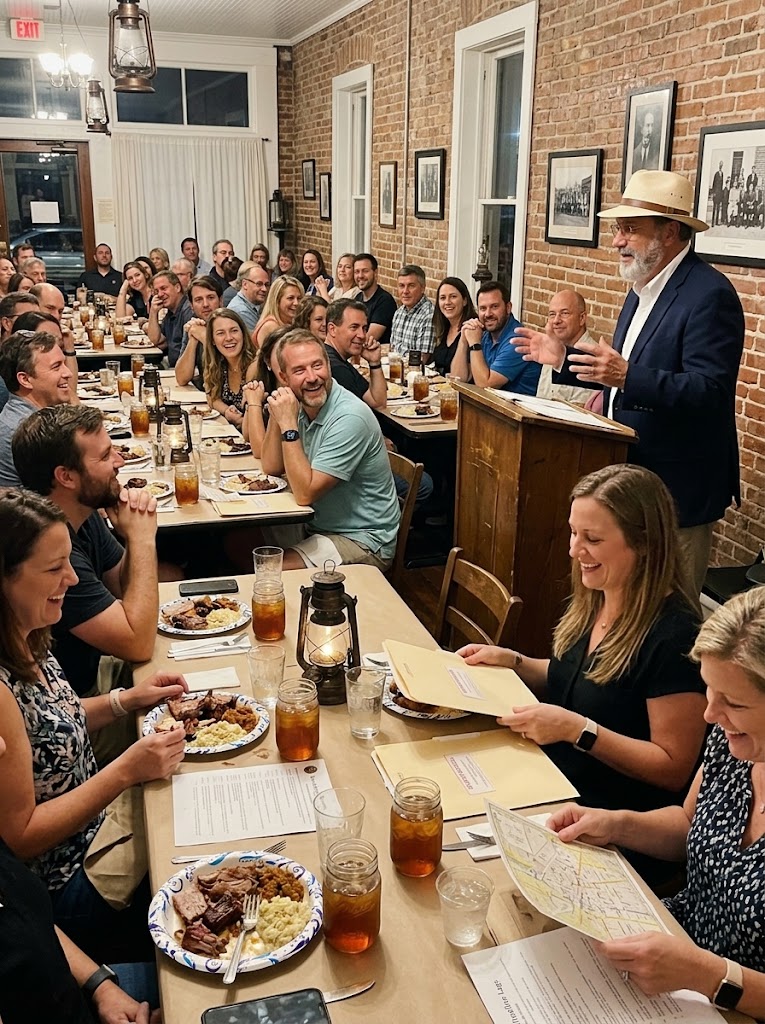
Michael’s historical true crime presentations are built from original research, newspaper archives, police records, court documents, photographs, and decades spent studying the criminal history of Pensacola, West Florida, and the Gulf Coast. These are not graphic retellings designed simply to shock an audience. 

They are stories about people. Victims. Investigators. Criminals. Families. Communities. And the moments when ordinary people suddenly found themselves caught in extraordinary circumstances. Drawing upon his experience as a former homicide detective and police historian, Michael takes audiences beyond the newspaper headline and into the investigation, the people involved, the community where it happened, and the world in which the crime occurred. 

Ideal for: 

Historical societies 

Museums and cultural organizations 

Libraries 

Civic organizations 

Community groups 

True crime events 

Colleges and universities 

Conferences 

Private and corporate events 

Presentation possibilities include: 

The Last Stop: The Final Capture of Ted Bundy in Pensacola 

The story of the young Pensacola police officer who encountered one of America’s most notorious fugitives and, relying largely upon courage, observation, and basic police fundamentals, brought Bundy’s flight from justice to an end. 

Wanted in Texas, Captured in Pensacola: John Wesley Hardin 

How one of the Old West’s most infamous gunmen disappeared into Northwest Florida, lived under an assumed name, and finally encountered the Texas Rangers in downtown Pensacola. 

“I’m a Dead Man”: A Pensacola Mystery and the JFK Assassination 

The strange death of Hank Killam and the remarkable people, circumstances, and unanswered questions connecting Pensacola to one of America’s most enduring historical mysteries. 

Michael can also develop presentations from other historical crimes, police cases, personalities, and events appropriate to the audience. 

Stories With a Professional Purpose 

Criminal Justice Speaking & Training 

History is more than something that happened a long time ago. 

It is a record of decisions. 

Some were brilliant. 

Some were courageous. 

Some were disastrous. 

And nearly all of them have something to teach us. 

Michael uses historical police incidents, investigations, crimes, and officer experiences to examine the modern criminal justice profession from an unusual perspective. 

Instead of beginning with a PowerPoint bullet point about leadership, technology, training, or officer safety, he may begin with a police officer standing alone beside a suspicious Volkswagen in Pensacola in 1978. 

Or an officer working without a portable radio. 

An investigator trying to solve a murder before DNA. 

A department adapting to a technology that officers today take for granted. 

A supervisor making a decision whose consequences would not become apparent until much later. 

The story gets the audience’s attention. 

The lesson gives the story a purpose. 

Professional presentations can explore: 

Leadership & Professional Responsibility 

What historical cases reveal about courage, judgment, accountability, consistency, and the influence leaders have on the people around them. 

The Evolution of Policing 

How American law enforcement moved from foot patrols, call boxes, revolvers, and handwritten reports to modern communications, forensic science, body-worn cameras, databases, GPS, and rapidly developing technology. 

Training: What History Tells Us 

How lessons learned through tragedy, experience, innovation, and changing expectations have shaped the way officers and correctional professionals are trained today. 

Officer Safety Before Modern Technology 

What previous generations of officers accomplished without many of the tools today’s professionals consider essential, and what their experiences still teach about awareness, fundamentals, preparation, and courage. 

Investigations Before the Forensic Revolution 

How detectives solved serious crimes before DNA databases, digital evidence, surveillance networks, cell-phone records, and modern forensic technology. 

What We Fixed…and What We Should Never Forget 

A historical examination of improvements in policing and corrections, along with professional principles that remain just as important today as they were generations ago. 

Possible Signature Programs 

Before DNA, GPS and Body Cameras 

What Yesterday’s Officers Can Teach Today’s Criminal Justice Professionals 

Technology has transformed policing, but technology cannot replace judgment, observation, courage, communication, preparation, and sound fundamentals. 

Through historical cases, Michael examines what has changed, what has improved, and what the profession should be careful never to lose. 

The Last Stop 

Ted Bundy, Officer David Lee, and the Power of Police Fundamentals 

When Pensacola Police Officer David Lee encountered Ted Bundy in February 1978, he did not know he was facing one of America’s most wanted killers. 

He also did not have DNA, GPS, license-plate readers, body-worn cameras, modern portable communications, or many of the tools available to officers today. 

What happened next provides far more than a true crime story. 

It provides a lesson about observation, persistence, courage, training, and doing the ordinary things extraordinarily well. 

From Call Boxes to Computers 

The Extraordinary Evolution of American Policing 

A storytelling journey through generations of police work and the inventions, tragedies, reforms, and innovations that transformed the profession. 

What the Old Cops Knew 

Timeless Lessons From a Changing Profession 

Equipment changes. Technology changes. Laws change. Organizations change. 

Human beings do not change nearly as quickly. 

Using stories from generations of police work, Michael explores the enduring importance of judgment, character, communication, situational awareness, leadership, and personal responsibility. 

Why Michael Earl Simmons? 

Michael does not approach crime and policing solely as a historian looking backward. 

He lived much of the history he discusses. 

He is a retired Pensacola Police Sergeant, former homicide detective, longtime criminal justice instructor, author, police historian, and Director of the George Stone Criminal Justice Training Center. 

His career has included patrol, investigations, supervision, training, personnel, community policing, and criminal justice education. 

But credentials alone do not make a presentation memorable. 

Stories do. 

Michael combines the perspective of someone who has investigated crimes, supervised officers, trained criminal justice professionals, researched history, and spent decades preserving the stories of those who came before him. 

The result is a presentation grounded in experience, backed by research, and delivered as a story rather than a lecture. 

For Professional & Criminal Justice Audiences 

Programs may be appropriate for: 

Law enforcement agencies 

Corrections agencies 

Criminal justice training centers and academies 

Professional associations 

Leadership programs 

Instructor-development programs 

Law enforcement and corrections conferences 

Colleges and universities 

Police historical organizations 

Command and supervisory programs 

Presentations can be adapted to the experience level, mission, and needs of the audience. 

For Historical, Civic & Public Audiences 

Michael is also available for: 

Historical societies 

Museums 

Libraries 

Civic clubs 

Community organizations 

True crime programs 

Cultural organizations 

Corporate and private events 

Special historical programs 

Programs can range from a single historical story to themed presentations involving several cases connected by time period, location, subject, or historical significance. 

Every Old Story Has Something to Say 

Sometimes it says something about crime. 

Sometimes about courage. 

Sometimes about leadership. 

Sometimes about the mistakes people made. 

And sometimes it simply reminds us that the people whose names appear in old police reports and faded newspapers were once living, breathing human beings whose stories deserve to be remembered. 

Michael Earl Simmons tells those stories. 

For some audiences, the story is the destination. 

For others, it is where the lesson begins. 

Bring Michael to Your Event 

Planning a conference, professional training program, historical event, civic meeting, or special presentation? 

Tell Michael about your audience and what you would like them to experience, learn, or remember. 

[INQUIRE ABOUT BOOKING MICHAEL] 


Why Book Michael Earl Simmons?

  • 30-year Pensacola Police veteran sergeant and homicide investigator
  • Criminal justice training director
  • Published author & historian
  • Engaging and authoritative speaker

“Bringing old crime stories to life”

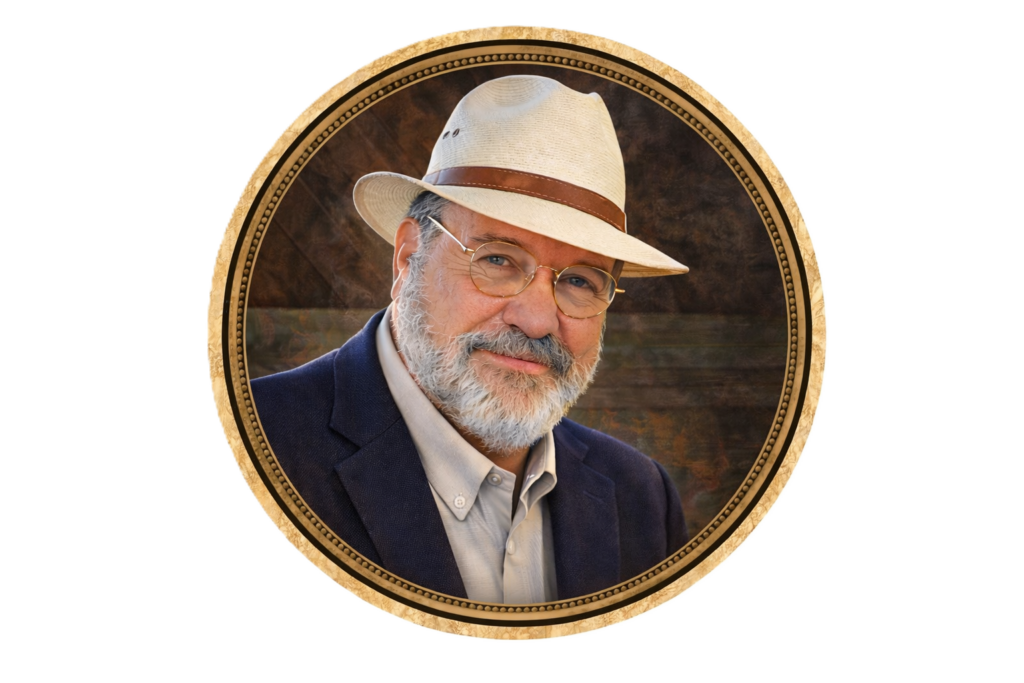
A man with a gray beard, wearing a white hat and glasses, smiles warmly in a circular portrait frame.

Enjoy true crime history?

Join the Sweet Tea Murders list to receive new stories, podcast updates, and a free copy of
“Five Forgotten Murders in Pensacola Before 1950.”

Scroll to Top