
Before restaurants became chains, before menus lived on phones, and before breakfast came with a side of hurry, Pensacola had places like Oscar’s.
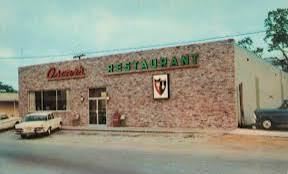
For generations of local families, Oscar’s Restaurant on West Cervantes Street was more than a place to eat. It was a Brownsville landmark—a familiar gathering place where people met for hot cakes, breakfast buffets, lunch specials, seafood dinners, and conversation.
I have fond memories of eating breakfast there. Oscar’s was the kind of place where you walked in and immediately began seeing familiar faces. People from every walk of life sat beside one another—police officers, laborers, businesspeople, retirees and families sharing the same dining room, the same coffee and the same start to the day.
The restaurant’s story began in the early 1940s, when Oscar Woerner opened the Brownsville Restaurant. Before long, the restaurant took his name and became Oscar’s. Woerner became so well known for his pancakes that people called him Pensacola’s “Hot Cake King.”
By the years following World War II, Oscar’s had become part of the rhythm of West Pensacola. Families stopped there after church. Workers came in for breakfast or lunch. Friends gathered around tables where the coffee kept coming, and nobody seemed anxious to leave.
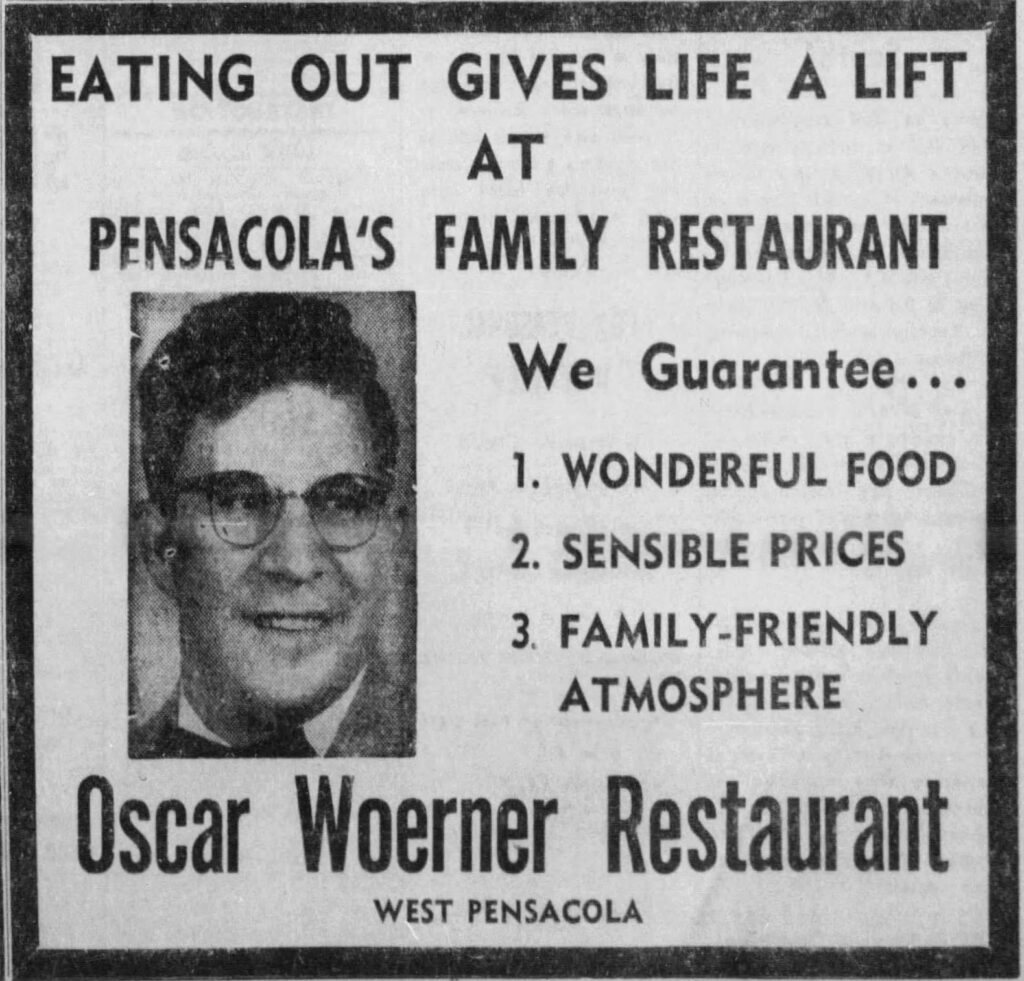
A 1958 newspaper advertisement called it “Pensacola’s Family Restaurant” and promised three things: wonderful food, sensible prices, and a family-friendly atmosphere. That simple description helps explain why Oscar’s endured. It did not need to be fancy. It needed to be good, affordable and welcoming—and that was enough to make it an institution.
A Restaurant Pensacola Remembered
Oscar’s occupied the large building at 2805 West Cervantes Street. Over the years, the restaurant changed hands, but its identity remained closely tied to the community. Helen Rollo purchased it in 1980 and continued the tradition for decades.
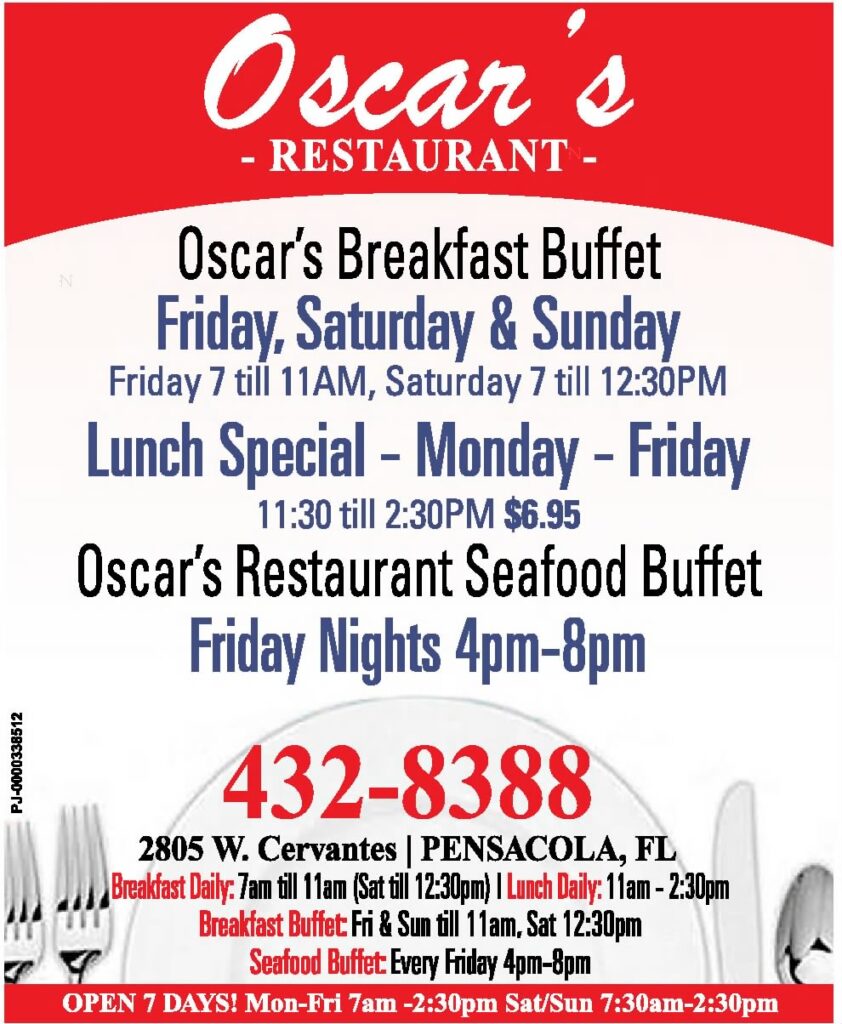
Later advertisements promoted breakfast buffets on Fridays, Saturdays and Sundays, weekday lunch specials and a Friday-night seafood buffet. The restaurant opened early, served generous meals and offered the kind of familiar experience that made customers feel less like guests and more like regulars—even if they had not been there in years.
That is the way hometown landmarks become part of a city’s memory. People may forget exactly what they ordered, but they remember who sat across the table. They remember going there with parents who are now gone, taking their own children or meeting friends before work. They remember walking through the door and recognizing half the room.
Oscar’s brought people together without making a production of it. In a city where our lives could look very different once we left the restaurant, we still sat next to one another at breakfast. For an hour or so, everyone belonged to the same community.
A restaurant becomes important not because of its walls, but because of all the ordinary moments lived inside them.
Oscar’s was one of those places.
The Night History Came Through the Alley
Oscar’s also became connected to one of the most famous arrests in Pensacola history.

Shortly after 1:00 a.m. on February 15, 1978, Pensacola Police Officer David Lee was patrolling alone when he noticed an orange Volkswagen Beetle emerge from the alley behind the restaurant. The hour and the car’s presence caught his attention. Lee knew the vehicles normally associated with people working in that area, and this one did not belong.
He followed the Volkswagen and checked its tag. The vehicle had been reported stolen from Tallahassee.
When Lee attempted to stop it, the driver fled. After a brief pursuit, the Volkswagen stopped and its driver attacked the officer. Lee fought back, regained control and placed the stranger under arrest.
The man initially gave the name Kenneth Misner. In reality, he was Theodore Robert Bundy—one of the most wanted men in America.
There is something remarkable about the setting. Bundy’s final flight did not end at a grand courthouse or in a dramatic police raid. It began to unravel beside a neighborhood restaurant, in the darkness behind a place better known for pancakes, coffee and family meals.
Oscar’s did not make the arrest famous. Officer David Lee’s awareness, persistence and courage did that. But the restaurant became part of the geography of the story—the familiar landmark beside the alley where Lee first spotted the stolen Volkswagen.
The Building’s Unexpected Second Story
Oscar’s eventually closed, but the building remained. It later housed Uncle Billy’s Antique Mall, whose owner embraced the location’s Bundy connection with a large exterior mural.
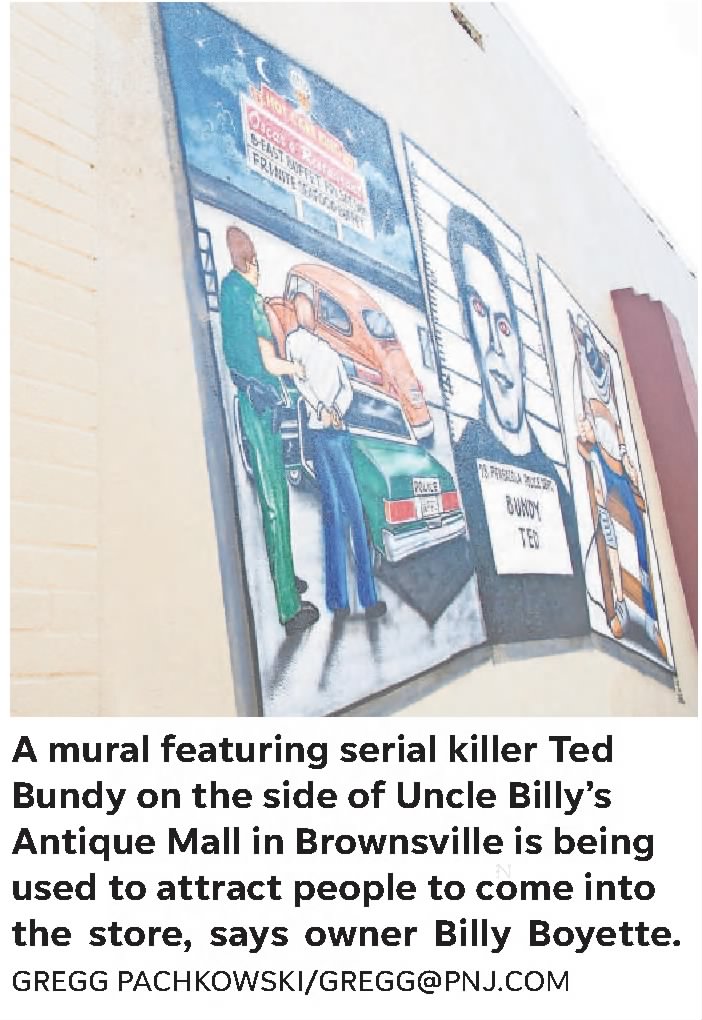
The mural showed scenes from the arrest, Bundy’s face, the electric chair, and his tombstone. It was startling imagery for a wall that had once belonged to one of Pensacola’s best-known family restaurants. Yet it reflected the building’s unusual place in local history.
For some Pensacolians, that corner will always mean Oscar’s—the Hot Cake King, family breakfasts and coffee shared across a crowded table. For others, it marks the place where an observant Pensacola police officer noticed that something was not right and refused to let a suspicious driver disappear into the night.
Both stories belong to the same building—but they are not the end of its story.
A New Restaurant and a Continuing Tradition
Today, the old Oscar’s building is home to A Taste of Jerusalem, a popular restaurant serving delicious Middle Eastern food. The menu and the name have changed, but the building is once again doing what it did for so many years: welcoming people, feeding them and bringing them together around a table.
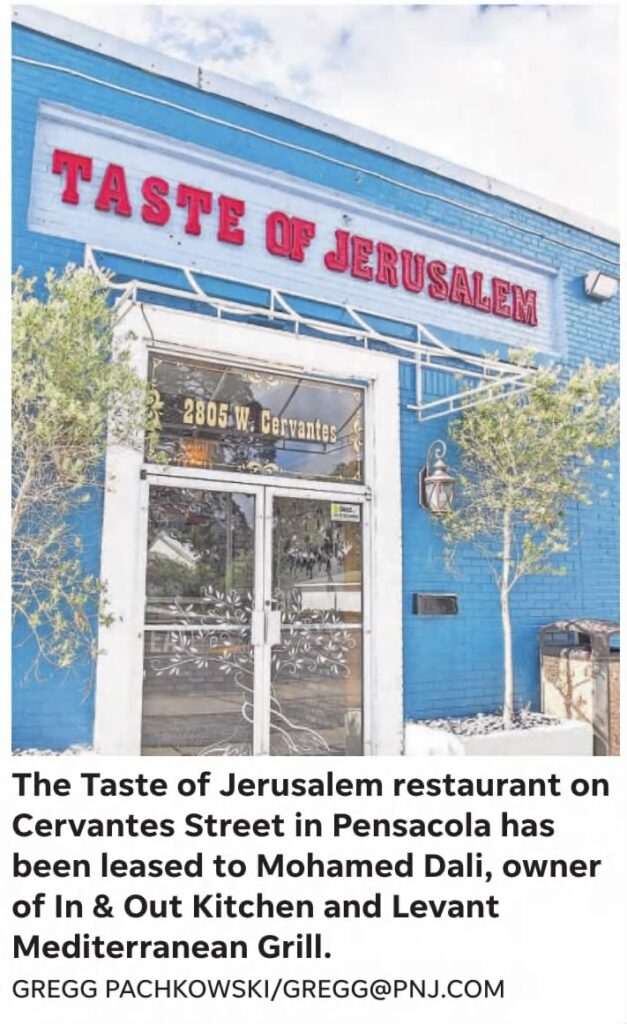
There is something fitting about that.
The building did not become an empty monument to what used to be there. It is alive again with conversations, meals, and customers coming through its doors. New memories are being made inside the same walls that hold so many old ones.
That is one of the fascinating things about local history. A familiar place can hold layers of memory that seem to have little in common except the ground beneath them. One generation remembers pancakes. Another remembers an arrest. For a time, a mural placed those stories side by side. Today, people come for Middle Eastern food and add another layer to the building’s history.
Oscar’s is gone, but the building continues to serve Pensacola. When I think about it, I do not first think of Ted Bundy or even the mural that once covered the outside wall. I think about breakfast. I think about familiar faces. I think about people from every part of the community sitting beside one another and beginning the day together.
That may be Oscar’s most important legacy.
The old restaurant was part of one of Pensacola’s most famous criminal cases, but it was also part of something quieter and far more common: the daily life of a community. Today, as A Taste of Jerusalem, the building is still a place where people gather and share a meal.
The food is different, but the welcome continues.
Don’t miss, Sweet Tea Murders LIVE: “The Last Stop” – The Final Capture of Ted Bundy, Thursday, November 12, 2026. For Tickets, go to: https://sweetteamurders.com/event/the-last-stop/ Tickets are going fast!
Discover more from Sweet Tea Murders
Subscribe to get the latest posts sent to your email.