The Esker Gibson Family Murders
There are some fires that begin with a spark. A fallen lamp. A stove left burning. A chimney ember. A loose wire inside an old wall. And then there are fires that begin with violence.
On a Thursday night in April 1941, a two-room farmhouse burned in rural Mobile County, Alabama. The home was near Irvington, in the Covington community, about twenty-two miles south of Mobile. It was the kind of country place where darkness settled heavy, and where help could be too far away when a house went up in flames.
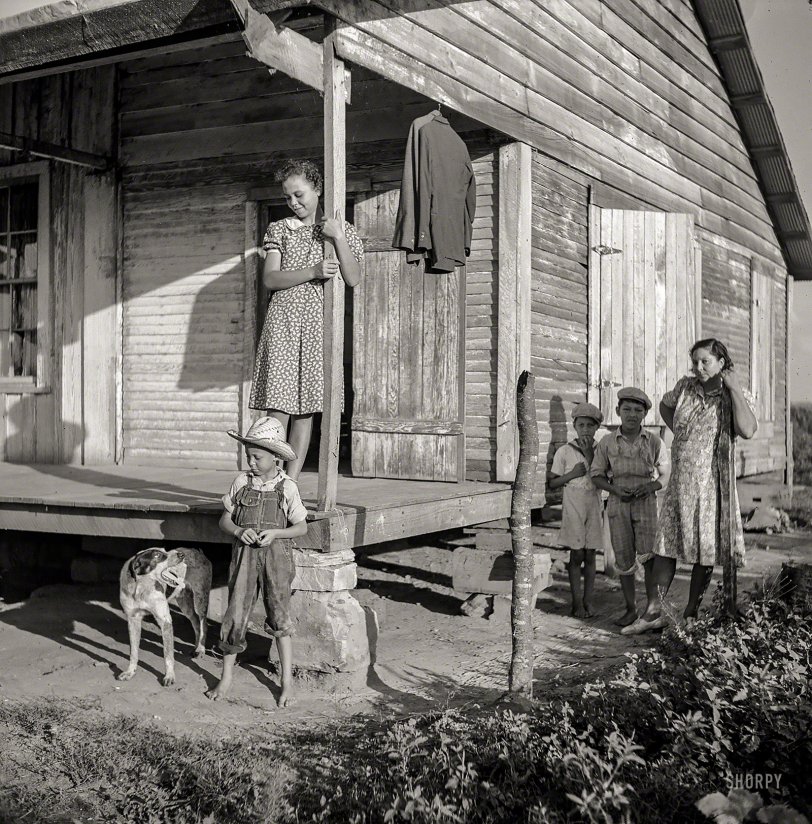
Inside the burning home were thirty-two-year-old Oletha Gibson and her five children. Robert was seven, Huey was six, Frank was four, Mary was three, and Marie Eloise was seven months old.
At first, the tragedy appeared to be exactly what people feared most in those days: a poor farmhouse, a night fire, a mother and children trapped inside with no way out.
But the fire did not tell the whole story. When investigators looked closer, they found signs that something had happened before the flames. Blood was reportedly found in Mrs. Gibson’s hair and on a mattress. That changed the case. This was no longer only a fire investigation. It was becoming a murder investigation.
Oletha’s husband, Esker Washington Gibson, was not at home when the fire was discovered. According to early newspaper reports, he said he had gone toward Theodore, about three miles away. When he returned and found the house burning, he collapsed and was later treated at a Mobile hospital for hysteria.
For a short time, the public story may have seemed simple: a grieving husband and father had lost his entire family. But…Sheriff William H. Holcombe and his deputies were not satisfied.
The blood mattered. The condition of the house mattered. The statements mattered. The timing mattered. So did the story Gibson told about where he had been and what he had done.
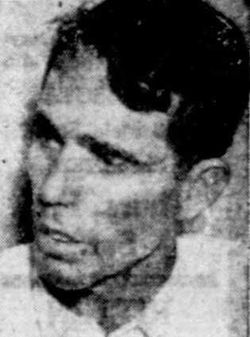
On Sunday afternoon, after mass funeral services were held for Oletha and the five children, Esker Gibson was arrested. That is one of the most haunting images in this case: a man attending the funeral of his wife and children, then being taken into custody for the murder of the youngest child, seven-month-old Marie Eloise.
At first, authorities charged Gibson specifically in connection with the baby’s death. Sheriff Holcombe said enough evidence had been found to substantiate a murder charge, though officials initially declined to say whether the deaths of Oletha and the other children would be linked to the same case. Smart to begin with the one that they could prove.
Soon, according to Solicitor Bart B. Chamberlain, Gibson confessed. The confession reported in the newspapers was brutal and plain. Gibson said he had argued with Oletha. He admitted striking her with a chair. She fell near or on a bed where the baby was sleeping. Then, while the children slept, Gibson poured coal oil — kerosene — through the house and over the bedding. Then he set the house on fire.
The newspapers of the day used hard words: “mass murders,” “wife slain,” “children burned.” Those words were true, but they almost make the story feel distant, like an old headline yellowed with age.
The more difficult truth is quieter. The children were asleep. The oldest was seven years old. The youngest had been alive only seven months. Their whole world was contained in that little farmhouse, and the person who should have protected them turned that home into the place of their deaths.
Afterward, Gibson tried to make the story look different. He said he had been away. He said he came home to find the house burning. He reportedly claimed an injury, later admitting he had fallen onto a rose bush to make it appear he had been hurt trying to save his family.
That detail is important. It suggests the fire was not only an act of violence. It was also an attempt to create a false story. But the truth survived the flames. The blood survived. The mattress survived. The questions survived. And eventually, Gibson’s own words gave investigators what the fire had tried to hide.
By May 1, newspapers were reporting that prosecutors believed there was evidence Oletha Gibson and her children had been slain before the fire reached their kerosene-drenched bodies. Gibson denied killing the children before the fire, but admitted striking his wife and setting the house ablaze while the children slept.
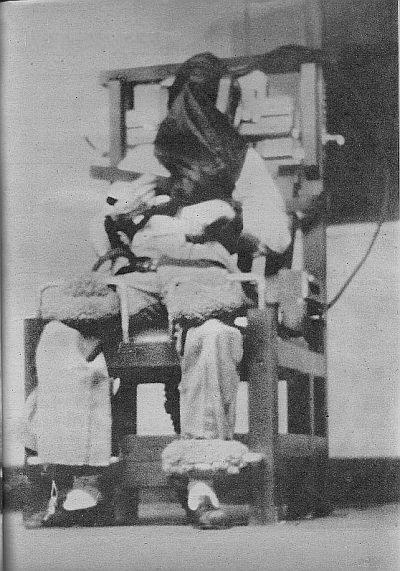
The case moved quickly. In June 1941, Esker Washington Gibson was sentenced to death. Less than a year later, on March 13, 1942, Esker Washington Gibson was taken to Kilby Prison near Montgomery, where Alabama’s yellow-painted electric chair — grimly known as “Yellow Mama” — waited for him.
It should belong to Oletha and her children.
Oletha Gibson.
Robert Esker Gibson.
Huey Gibson.
Frank O’Neal Gibson.
Mary Margaret Gibson.
Marie Eloise Gibson.
They were not simply “six members of a family” in a newspaper column. They were a mother and five children in a small farmhouse south of Mobile, living ordinary lives until one terrible night made them part of Alabama’s criminal history.
The fire took the house, but it did not take the truth, and it should not take their names.
Sweet Tea Murders tells historical true crime stories with care, context, and respect for the people whose lives were lost. Some stories are famous. Others are found in old newspaper columns, nearly forgotten except for the names, the evidence, and the truth that somehow survived.
Discover more from Sweet Tea Murders
Subscribe to get the latest posts sent to your email.