
In the years following the Civil War, the railroad running north from Pensacola helped change West Florida. Charles Pollard, the father of the Alabama Railroad, helped establish the new way of transportation. As a result, the town of Pollard came about.
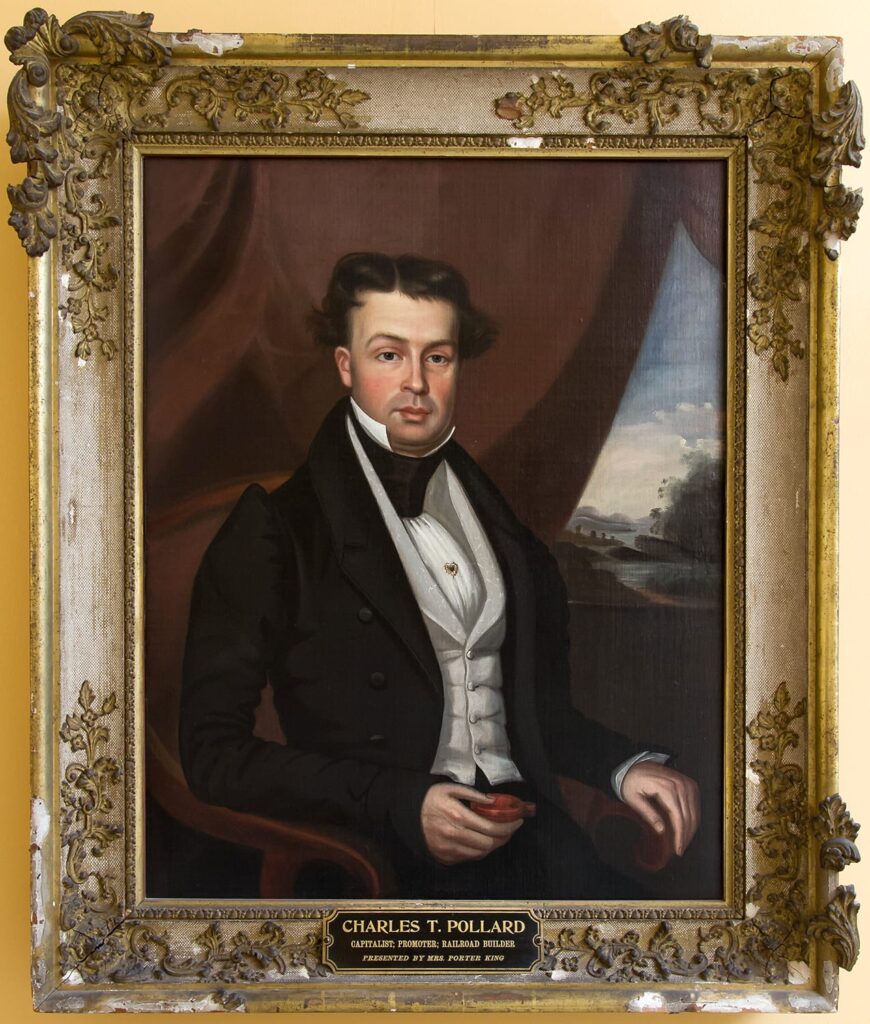
Beginning near the docks at Pensacola Bay, the line ran north through the pine country toward Pollard, Alabama, where connections opened the way to destinations far beyond the Florida Panhandle. What had once required travel by boat, horseback, wagon, or foot could increasingly be accomplished aboard a train.
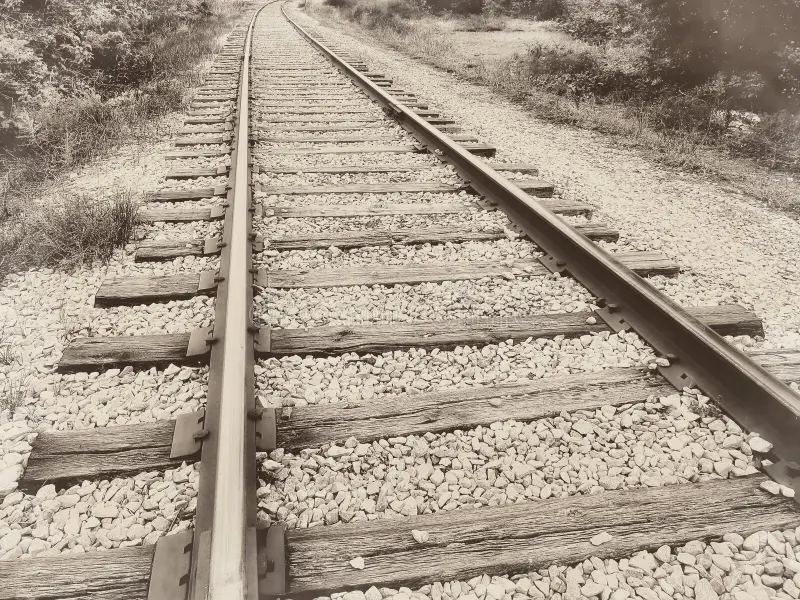
The railroad connected places that are still familiar to us today: Pensacola, Goulding, Ensley, Cantonment, Molino, McDavid, Bluff Springs, and finally Pollard, just across the Alabama line.
William Dudley Chipley was one of the men closely associated with the development of Pensacola’s railroad system. Under men such as Chipley, the railroad became more than steel rails and wooden ties. It became an artery carrying lumber, livestock, merchandise, mail, businessmen, families, and occasionally secrets through West Florida.
One of the men who made use of that railroad called himself John Swain.
A New Man Comes to West Florida
Swain arrived in this part of the country during the mid-1870s. He had a wife and children, family connections in the region, and apparently intended to make a living.
For a time, he seems to have done exactly that.
Swain became involved in business dealings connected with cattle and lumber. His activities carried him through communities along the Florida-Alabama line and occasionally into Pensacola and Mobile. The railroad was perfectly suited to the life he was building.
He could conduct business, visit communities along the line, travel to Pensacola or Mobile, and return to his family.
To those who encountered him, John Swain could be personable, intelligent, and engaging. He was a husband, father, businessman, gambler, and familiar face around some of the little railroad communities dotting the region.
It was a good life for a man trying to make a fresh start…and John Swain desperately needed one. Because there was something his new friends didn’t know about him.
Something Beneath the Surface
Swain’s quiet life was not always so quiet. He liked to gamble. Trouble occasionally followed him. During a trip to Mobile, Swain and a companion were caught using marked cards. The incident resulted in their arrest and an altercation with police.
There was another confrontation closer to home involving a local lawman. Later accounts describe Swain getting the worst of that encounter as well. And something about those incidents is particularly interesting.
John Swain didn’t shoot anybody.
That may not sound remarkable, but for this particular man, it was. Because beneath the clothes of the businessman, husband, and father was something that apparently never left him.
A revolver.
Swain had spent years carrying one. It remained close at hand even as he attempted to live a quieter life. Perhaps the gun provided security. Perhaps it provided confidence. Or perhaps it represented something much deeper.
Whatever the reason, John Swain could change his name, change where he lived, change his occupation, and even change how he responded to a confrontation. But he apparently couldn’t bring himself to leave that revolver behind.
August 1877
By the summer of 1877, events were moving toward a conclusion. Two men had traveled hundreds of miles looking for someone. The Sheriff of Escambia County, Florida, William Hutchinson, Town Constable Joseph Commyns, and several deputies became involved.
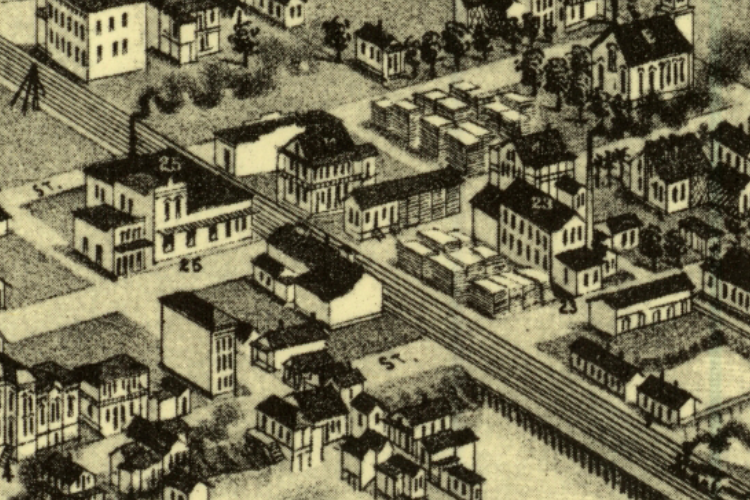
The railroad that had made John Swain’s new life so convenient was about to become part of the trap that ended it. In August, Swain traveled south toward Pensacola. As was his usual practice, he visited the gambling establishments along the waterfront, even getting into a card game with an Escambia County Deputy. But waiting for him were Texas Rangers and local law-enforcement officers.
When he and his friends boarded the train at Tarragona and Zarragossa to head back to Pollard, and the lawmen moved in to take him into custody, the quiet businessman from the Florida-Alabama line disappeared.
The officers had not traveled all that distance looking for John Swain. They had come looking for John Wesley Hardin. One of the most notorious gunmen in the American West had been living among the people of West Florida under an assumed name.
The businessman was really a fugitive. The family man was a wanted killer. And John Swain had never really existed.
Except Perhaps He Had
That may be the most interesting part of Hardin’s years in West Florida. Perhaps John Swain wasn’t merely an alias. Perhaps, for a while, Hardin really was trying to become him…
There is no concrete evidence that John Wesley Hardin killed anyone during the time he lived in West Florida, although stories and rumors followed him. There were confrontations during this period in which the man who had so often depended upon a revolver apparently chose not to use it.
That raises a fascinating question. Hardin had learned very young that a gun could settle an argument. He had killed his first man while still a teenager. Again and again, when threatened, challenged, frightened, or cornered, Hardin’s answer had been the revolver.
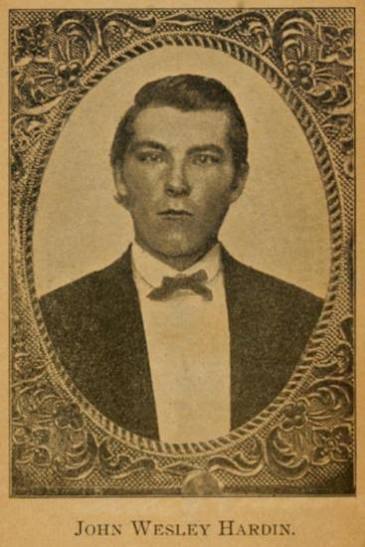
The gun became more than something he carried. It became part of the way he dealt with the world. Yet in West Florida, something was different. When he got into serious trouble in Mobile, why didn’t he simply pull the gun? When a local lawman reportedly got the better of him in a physical confrontation, why didn’t the notorious John Wesley Hardin do what John Wesley Hardin had done so many times before?
Was he afraid that one gunshot would destroy the identity he had worked so hard to create? Was the quiet businessman John Swain actually gaining control over John Wesley Hardin? Or was Hardin simply learning that sometimes the smartest thing a fugitive could do was swallow his pride?
And there is one final question.
If John Wesley Hardin really was trying to change, why did he continue carrying that revolver everywhere he went?
On August 27, we’ll gather for Sweet Tea Murders LIVE and follow John Wesley Hardin’s remarkable journey into West Florida, his attempt to disappear behind the name John Swain, and the manhunt that eventually brought Texas Rangers to Pensacola.
And I’ll tell you what I think happened to John Swain. Because when the law finally closed in on that hot August day in 1877 in downtown Pensacola, John Wesley Hardin still had that revolver. And once again, his hand went for the gun.
Michael Earl Simmons
Sweet Tea Murders
For tickets to the August 27 event, click here: https://sweetteamurders.com/events/

Discover more from Sweet Tea Murders
Subscribe to get the latest posts sent to your email.
Are you familiar with the booklet “A Brief History of Escambia County Alabama” written and sold by Henderson A. Potter who was a resident of Pollard when Hardin lived there? Has some insight of Hardin while he lived there and how people reacted after his arrest.
Yes. It was given to me recently. Fascinating! Thanks.