
The Hanging of Preston Nighton: A Day at the Gallows in Milton
On a November afternoon in 1893, thousands of people gathered around the Santa Rosa County Courthouse in downtown Milton. Vendors mingled with spectators. Families arrived early to secure a good view. Conversations filled the air as people waited for the main event.
They had not come for a festival, a political rally, or a holiday celebration.
They had come to watch a man die.
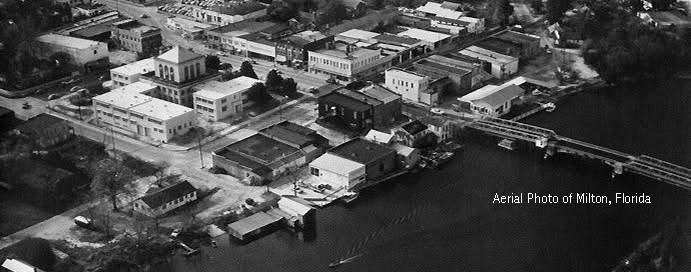
In the late nineteenth century, public executions were among the largest public spectacles in the South. Long before radio, movies, television, or the internet, a hanging was a major event. People traveled from surrounding communities, businesses closed, and crowds gathered in a carnival-like atmosphere to witness what many considered both justice and entertainment.
On November 8, 1893, the focus of that attention was a man named Preston Nighton.
Nighton had been convicted of the murder of Alice Blake. According to contemporary newspaper accounts, the relationship between the two had become the motive for a deadly act of jealousy. Nighton later admitted killing Blake and reportedly declared that he would rather see her dead than with another man. (Wikipedia)
Weeks before the execution, Sheriff John Collins received the official death warrant. The order directed that Nighton be hanged on Wednesday, November 8, between the hours of 10:00 a.m. and 2:00 p.m., with the execution taking place within the county prison yard. Yet, as was common in that era, the event drew widespread public attention and a substantial crowd. The execution became one of the largest public gatherings Milton had seen. (Wikipedia)
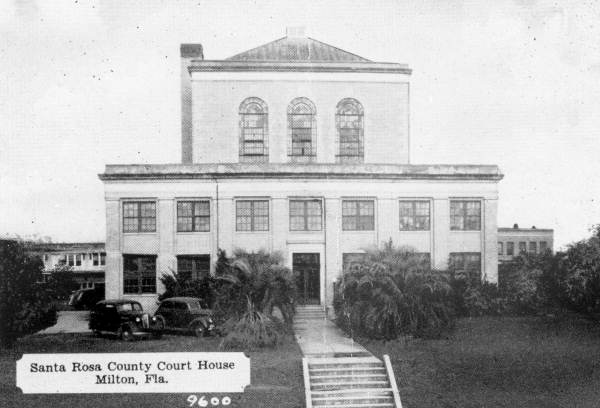
Shortly before noon, Nighton was escorted from the jail to the gallows erected near the courthouse grounds. Newspaper reports described him as calm and self-possessed. He addressed the crowd and openly admitted the killing. He expressed no regret for the act itself, only reflecting on the consequences that had followed. (Wikipedia)
The execution had all the elements of a public ceremony.
Ministers led prayers. The Twenty-Third Psalm was read. Hymns were sung by the crowd. Several clergymen delivered remarks. Nighton himself joined in the singing. One newspaper reported that approximately 1,300 people were present, a remarkable number for a small Florida community in 1893. (Wikipedia)
As the hour approached, Nighton spoke one final time. He warned others not to allow themselves to be overcome by evil influences and reflected on choices that had brought him to the gallows. Then the preparations were completed.
At 1:05 p.m., the trapdoor opened.
Eleven minutes later, he was pronounced dead. (Wikipedia)
The crowd slowly dispersed. The spectacle was over.
Members of the local African Methodist Episcopal Zion Church assumed responsibility for the burial, and Nighton was laid to rest in Milton’s African-American cemetery later that afternoon. (Wikipedia)
Today, visitors walking through downtown Milton can stand near the courthouse grounds without realizing that a public execution once occurred there. The busy streets, shops, and restaurants give little hint of the day when more than a thousand spectators gathered to witness a hanging.
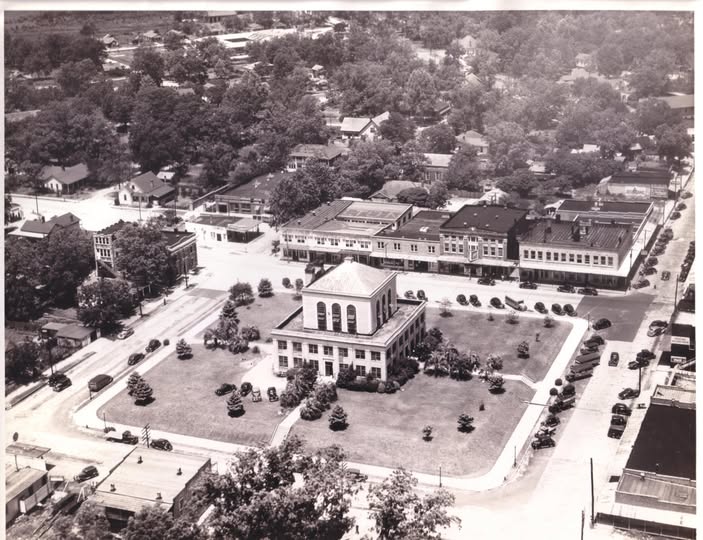
The story of Preston Nighton is a reminder of how much both justice and public attitudes have changed. Executions in Florida eventually moved behind prison walls, away from public view. The carnival atmosphere that once surrounded hangings faded into history, leaving behind only newspaper accounts and fading memories.
Yet for one afternoon in 1893, the courthouse lawn in Milton became the stage for one of Santa Rosa County’s most dramatic and unsettling spectacles—a public hanging that drew a crowd, stirred strong emotions, and left an indelible mark on the community’s history.
At Sweet Tea Murders, we explore the forgotten crimes, mysteries, and darker chapters of Gulf Coast history. Sometimes the stories are not merely about the crime itself, but about the people, places, and times in which they occurred. The hanging of Preston Nighton is one such story—a window into a Florida that seems almost unimaginable today.
Discover more from Sweet Tea Murders
Subscribe to get the latest posts sent to your email.