Pensacola’s most colorful mayor
By Mike Simmons
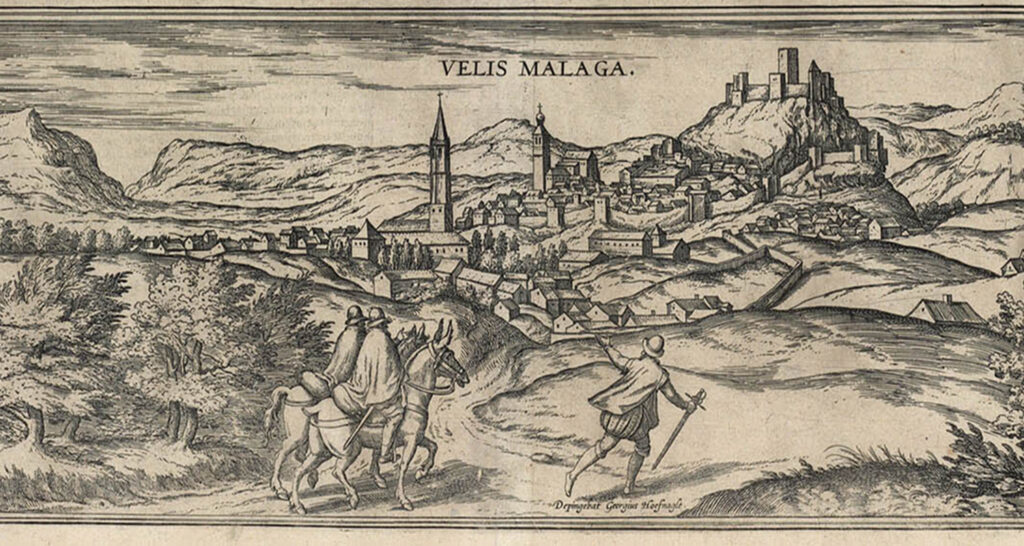
Vélez-Málaga, Spain is a small town on the southern edge of Spain, about a mile from the Alboran Sea. In the 1700s, it was a beautiful, picturesque, village known for its wine and sugarcane. In 1762, Pedro de Alba and Monica Lopez gave birth to a son, Pedro.
Pensacola was a small British village located on the northern coast of the Gulf of Mexico (now Gulf of America) in the new world – North America. In 1781, Spanish General Bernardo Galvez sailed into Pensacola Bay and laid siege to the town. Two months later, the town was ruled by Spain.
Within a year, young Pedro, an adventurer, arrived in the new Spanish village, determined to make his mark on the world, and Pensacola should be easy to conquer. In order to become a new man, he changed his name to Peter. He began as an orderly at the Pensacola hospital in 1782. Moving up quickly, he became majordomo of admissions at the Royal Hospital in 1786. He soon took over as the Steward of the Navy Hospital.
By 1820, Peter Alba was a civil servant, acting as an agent of the King of Spain and the Captain General of Cuba during the transition of Pensacola to U.S. control. The next year, Pensacola, in an agreement with Spain, became part of the United States. Any prior Spanish citizens were allowed to remain as long as they pledged their allegiance to the young United States. Peter was moving up in position in the small town, pretty much as he planned. But, under the surface, something else was also happening.
In 1822, Alba was appointed became President of the Pensacola Board of Aldermen in 1822. Two years later, he was elected Mayor of Pensacola.
Joseph White was born in 1786 in Franklin County, Kentucky. In 1814, he accompanied General Jackson to Pensacola. In 1820, he returned and helped negotiate the details of the transition of Pensacola. After the American Pensacola came into existence, White was serving as the West Florida Land Commissioner when he was appointed to the Florida Legislative council. As land commissioner, White found some fraudulent land titles involving Peter Alba. When he confronted Alba in 1824, Alba was furious.
In January, 1825, Mr. White was walking along Palafox Street near his home deeply involved in conversation with a business partner. He never saw Mayor Alba walk past. As soon as Alba walked past, he produced a club, turned and struck White on the head. White fought back with his cane, but it was no match for the stiletto that Alba stabbed him with.
Of course, Alba was arrested and White went to the hospital. Eventually, charges against the now ex-mayor were dropped by White, who, thinking how his political career would benefit. He became a private citizen while he licked his wounds, but he did not give up his political aspirations. Sure enough, in 1830, he again occupied the mayor’s seat.
Robert Breen owned and operated a grog (bar) which required, as today, a license to operate. Breen and the mayor had a personal disagreement which unethically spread to Alba’s official office. As soon as Alba discovered Breen’s violation on September 21, 1833, he ordered a Pensacola Police Officer to go to the grog and shut him down. Breen was furious! He loaded his shotgun and headed toward City Hall.
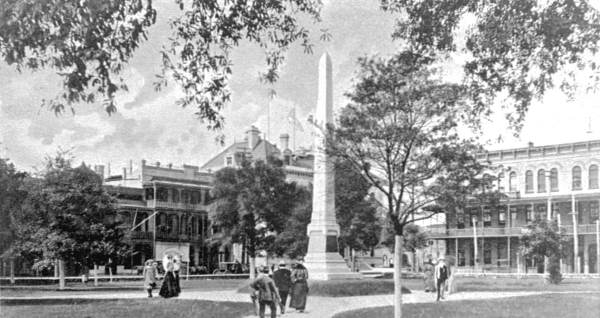
As was his routine, Mayor Alba had his daily regimen by taking a walk around Ferdinand Plaza. When Breen saw him, he marched up to him and unloaded, filling the mayor with 20 pellets and killing him immediately.
Breen was taken into custody and charged with First Degree Murder. The murder, of course, was event number one in town. The whole village was abuzz with excitement, opinions, and gossip. So when Breen’s attorney filed for a change of venue, the judge granted it.
The trial was held in Walton County, Florida, about 75 miles from Pensacola. It was a short trial, in which Breen was found guilty and sentenced to “hang by the neck until dead.” A few days later, the gallows were completed and ready in Pensacola. When the time came, Breen marched up to the gallows, asked for a few minutes in prayer, then stood and made a statement, basically telling the audience, “He needed killin’.” He then asked for his hands and feet to be bound by his own rope. Afterwards, he put the noose around his neck himself and was escorted to eternity.
Interesting…
Discover more from Sweet Tea Murders
Subscribe to get the latest posts sent to your email.
Great piece of history. Always fascinated by the Spanish-American history. Thank you sir
You are welcome, Sir.