
By Michael Earl Simmons
The Gulf Coast’s secrets aren’t forgotten; they tend to hang around, like humidity settling into your bones after a long afternoon. Down in the Panhandle, where the piney woods meet the bayous and the old timber camps still leave their ghosts in the underbrush, the stories of fallen lawmen carry a particular weight. They remind us that the badge wasn’t just a piece of tin; it was a promise, often paid for in blood on some forgotten depot platform or backroad.
I’ve spent enough years as a lawman to know that history doesn’t stay buried. It surfaces in memorial services, in faded newspaper clippings, and in the quiet conversations at the Bay County Sheriff’s Office when they read the roll of the fallen. One name always lingers: Deputy Sheriff Charles E. Scott, Bay County’s first officer killed in the line of duty. November 17, 1917. Betts, Florida. A place just outside of Panama City that few folks remember now, but back then it was a bustling company town carved out of the northern woods…naval stores, turpentine stills, lumber crews, and the kind of rough-edged men who worked hard and drank harder.
Bay County itself was barely four years old when Charles Scott pinned on the star. Formed in 1913, it was frontier country: remote camps full of transient workers, grudges that simmered like stills, and a new governor up in Tallahassee determined to dry the state out. Sidney J. Catts, the Prohibition Party’s only Florida governor, took office in January 1917 riding a wave of fiery populist sermons delivered from the back of a Model T Ford with a loudspeaker strapped on. He railed against “blind tigers,” those backdoor speakeasies where you’d pay to “see the tiger” and walk out with a bottle instead. Catts accused sheriffs of being soft on liquor interests (and some were), threatened to yank them from office, and pushed deputies into the timber camps to shut down the illegal trade. Wartime added fuel: America entered World War I in April, grain for distilling became restricted federally, and closing stills became a patriotic duty.
Scott wasn’t some green rookie. Born in 1878, he was 39, a family man with four children, and already a veteran of the law. He’d served as interim Bay County Sheriff and even as a county judge around 1914. Records show he’d testified in federal court in Pensacola against a man tied to the Naval Stores in Betts, Henry Blackman, over liquor sales violations. That kind of law enforcement stirred resentments in places where moonshine and turpentine went hand in hand. The camps were volatile: hard labor, hard drinking, and little patience for “Catts’ men” enforcing dry laws in wet country.
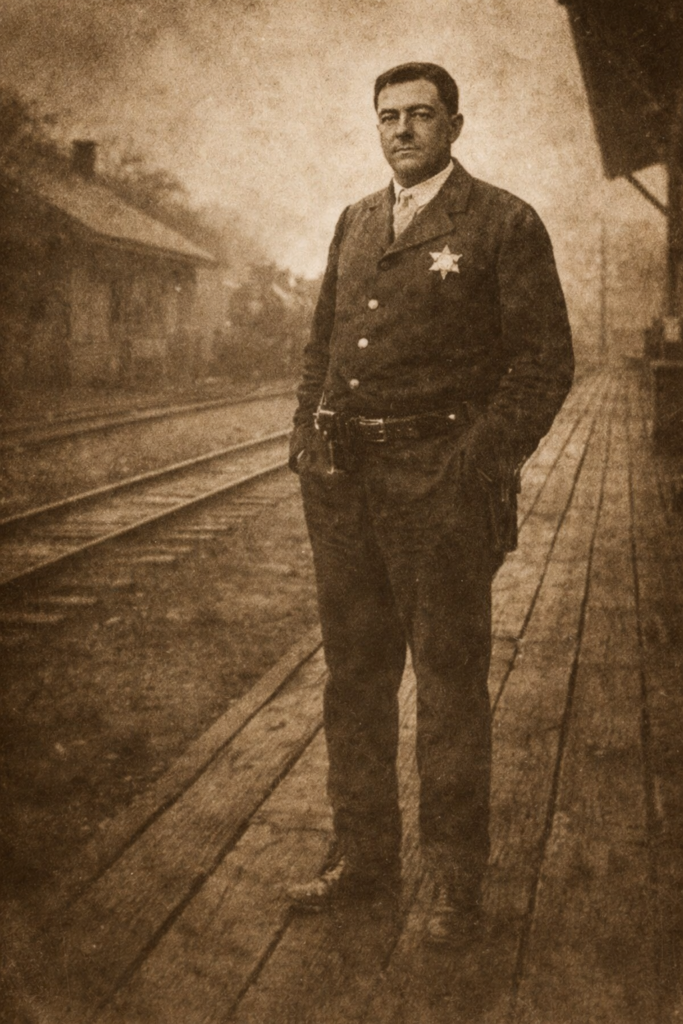
The day it happened was ordinary until it wasn’t. Scott stood on the train depot platform in Betts – near where Highway 231 crosses today – when Willie Taylor approached. Taylor paced past a few times, building tension, then words turned sharp. Were the words about Henry Blackman? No one knows, but the argument soon escalated into a struggle. Taylor lunged, wrested Scott’s own service revolver from its holster, pistol-whipped him across the face, and fired. The shot to the abdomen was fatal. Scott died on the platform within minutes. No grand raid, no blind tiger bust, just a sudden, brutal collision in a place where law and resentment met head-on.
Taylor didn’t vanish into the woods. He was apprehended quickly, tried, and sentenced to life. Justice seemed served. But Florida’s pardon system in those days was a different beast. Governor Catts, in his final months before leaving office in January 1921, went on what folks called a “pardon spree”, hundreds of releases, often in the last hours. Taylor’s full, unconditional pardon came amid that wave. Catts justified many by claiming courts were corrupt or trials unfair, or by pointing to “good behavior” in prison. In Taylor’s case, the defense had argued no premeditation; the gun was Scott’s, taken in the scuffle, turning murder into something lesser in the governor’s eyes.
The pardon outraged Bay County. No consultation with the family, no input from lawmen. It fed suspicions of corruption, and Catts faced indictment (though not directly tied to Taylor) for allegedly taking bribes in other cases. Critics called it executive overreach, a “parting gift” to clear prisons as he walked out the door. The backlash helped reshape Florida’s clemency laws: pardons soon required Cabinet approval, and the push for an independent parole commission (formalized later in 1941) aimed to end gubernatorial whim. Even the brutal convict lease system – where prisoners were rented to timber camps like Betts – faced scrutiny and abolition in 1923, partly fueled by scandals from the era.
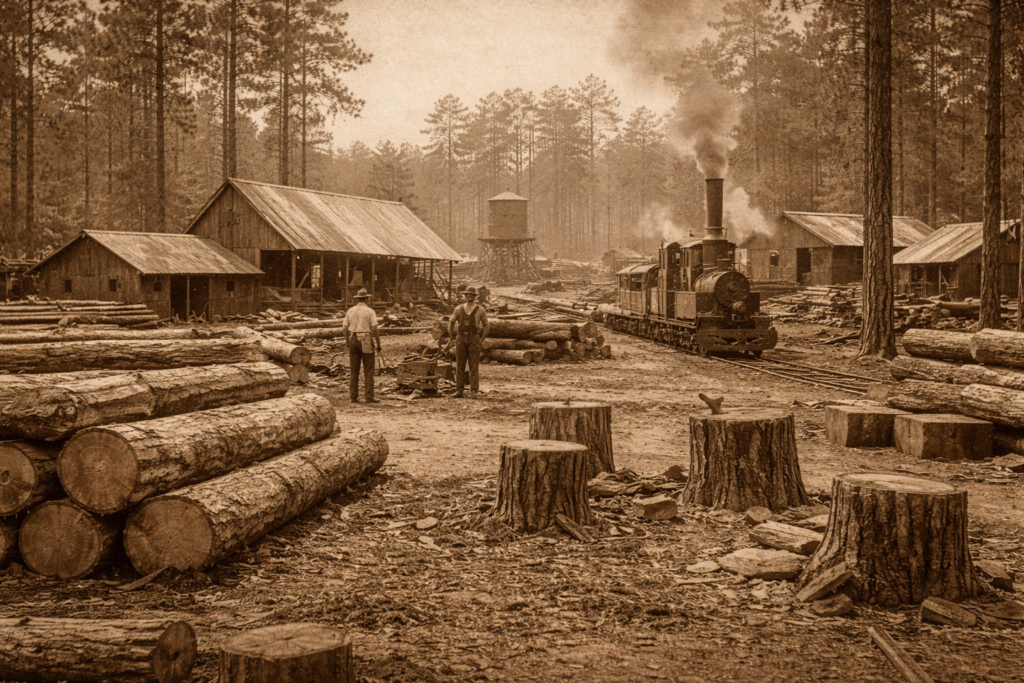
Scott’s name endures. It’s etched on the National Law Enforcement Officers Memorial in Washington, D.C. (Panel 42-W: 10). Each year, Sheriff Tommy Ford and the Bay County Sheriff’s Office honors him in memorial services alongside the others who’ve fallen. He was the first, in a young department, in a young county, during a time when enforcing the law in the Panhandle meant walking into places where the line between order and chaos was as thin as a pine needle.
These old stories aren’t dusty relics. They echo in every patrol car that rolls through the remnants of Betts…and all of Bay County today, in the weight deputies carry knowing the job can turn in an instant. Scott stood on that depot platform doing what the badge demanded, facing down trouble in a timber camp where blind tigers and bad blood mixed too easily, and many men looked at him with revenge…just for doing his job. He paid the ultimate price, and the pardon that followed reminded everyone how fragile justice can be when politics gets involved.
The Gulf doesn’t forget its fallen. Neither should we.
— Michael Earl Simmons
Mike is the director of the George Stone Criminal Justice Training Center in Pensacola, Florida, a retired Pensacola Police Sergeant, author, and international speaker.
February 2026
Discover more from Sweet Tea Murders
Subscribe to get the latest posts sent to your email.
Awesome story. Thank yoi
Awesome story. Thank yoi