By Michael Earl Simmons
In 1762, in the sun-washed town of Vélez-Málaga on Spain’s southern coast, Pedro de Alba and Monica Lopez welcomed a son into the world. The village, known for its wine and sugarcane and resting near the shimmering Alboran Sea, could not have imagined that its child, also named Pedro, would one day leave his mark on a rough frontier town across the Atlantic.
That frontier was Pensacola.
From Pedro to Peter
By 1781, Pensacola had already changed hands in the global chess match between empires. During the American Revolution, Spanish General Bernardo de Gálvez sailed boldly into Pensacola Bay and laid siege to the British-held town. After two months, Spain reclaimed it.
Within a year of Spain’s victory, the young adventurer arrived. He saw opportunity in the sandy streets and humid air of the Gulf Coast settlement. He would reinvent himself there, beginning with his name. Pedro became Peter.
His climb was methodical. In 1782, he began as an orderly at the Pensacola hospital. By 1786, he had risen to majordomo of admissions at the Royal Hospital. Soon after, he became Steward of the Navy Hospital. In a small colonial town, such positions meant influence, and Peter was determined to influence. Peter Alba was no ordinary functionary. He was ambitious, and he would make something of himself.
A Man Between Two Flags
By 1820, the political winds were shifting again. Spain’s grip on Florida was weakening, and negotiations with the United States were underway to transfer power. Alba served as a civil servant, an agent of the King of Spain, and the Captain General of Cuba, during the transition.
In 1821, Florida formally became a U.S. territory. Spanish citizens were permitted to remain if they pledged allegiance to the young republic. Alba did just that. He had not built his career in Pensacola to walk away from it.
The next year, he was appointed President of the Pensacola Board of Aldermen. Two years later, he was elected mayor. It seemed Peter Alba had conquered Pensacola after all.
The Stiletto on Palafox
But beneath the surface of civic leadership simmered conflict. Enter Joseph White.
Born in Kentucky in 1786, White came to Pensacola with General Jackson’s forces when they first came in 1814 and returned in 1821 to help oversee the American transition. Afterward, when Jackson left Pensacola and returned to Tennessee, White decided to stay. By that time, he was serving as West Florida Land Commissioner and a member of Florida’s Legislative Council.
In that role, White uncovered fraudulent land titles…titles that implicated Mayor Alba. In 1824, the fraud was too much. White confronted Alba, who became incensed.
In January 1825, White was walking along Palafox Street, deep in conversation with a business partner, when Alba passed by. Suddenly, the mayor turned, struck White on the head with a club, and then stabbed him with a stiletto.
White was in bad shape for a while, but survived. Alba was arrested. The town held its breath while the scene played out. Would the mayor be found guilty and be sentenced to prison? Surely, he would. His crime was out in the open.
But in a move that stunned many, White dropped the charges—likely weighing the political consequences of a prolonged public battle and perhaps an enemy of many, being the man who sent the mayor to prison.
Alba’s first mayoral term ended. He was removed from office in disgrace. His reputation was bruised…but not destroyed.
The Return—and the Shotgun
By 1830, Peter Alba, ever resilient, had clawed his way back into the mayor’s office. But Pensacola was still a small town. Rivalries were personal.
Robert Breen owned a “grog”—an early barroom. His establishment required a city license. Breen and Alba had clashed before, and neither man liked the other.
On September 21, 1833, Breen was found operating without a current license. The mayor, reportedly delighted at the infraction, ordered the grog shut down.
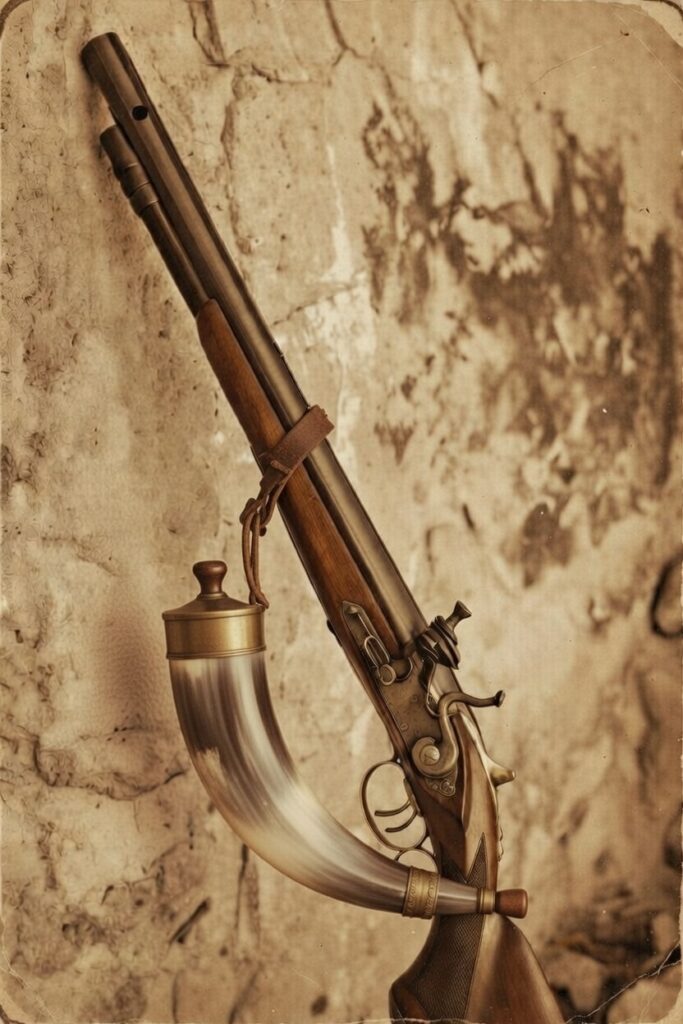
Breen was furious. He went home, loaded his flintlock shotgun, and set out for City Hall.
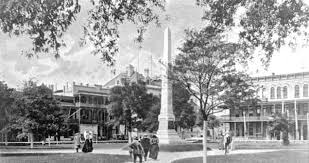
That afternoon, as was his custom, Mayor Alba was walking near Ferdinand Plaza when Breen approached from behind and fired. The blast struck Alba with devastating force. He died instantly.
Pensacola was electrified. Its sitting mayor had been gunned down in broad daylight.
“He Needed Killin’”
Breen was arrested and charged with first-degree murder. The public frenzy was so intense that the court granted a change of venue. The trial was moved to Walton County, about seventy-five miles away.
The verdict came swiftly: guilty.
Back in Pensacola, the gallows were erected. On the day of his execution, Breen reportedly asked for time to pray. Then he addressed the crowd with chilling simplicity: “He needed killin’.”
He requested that his hands and feet be bound with his own rope. He placed the noose around his own neck.
And just like that, the drama that had consumed Pensacola reached its final act.
A Legacy Written in Grit
Peter Alba lived through Spanish rule, American conquest, political scandal, public violence, and resurrection to power. He was ambitious, combative, and undeniably bold. He climbed from hospital orderly to mayor in a frontier town struggling to define itself.
Was he corrupt? Likely.
Was he fearless? Certainly.
Was he colorful? Without question.
In the rough-and-tumble days of early Pensacola, politics was personal, justice was public, and men settled grievances face-to-face.
Peter Alba may not have been Pensacola’s most virtuous mayor.
But he was, perhaps, its most unforgettable.
Michael Earl Simmons is a Southern crime storyteller devoted to uncovering the people, places, and porch-light secrets behind the South’s most compelling crimes. He writes daily at Sweet Tea Murders, where history, mystery, and Southern memory meet.
Discover more from Sweet Tea Murders
Subscribe to get the latest posts sent to your email.