
The Detective Who Became a Legend in Pensacola
By Michael Earl Simmons
Pensacola has always been a city that remembers its characters, especially the ones who walked its sandy streets at night, coat collars turned up, watching doorways and shadows while the rest of the town slept. Among those names spoken with a mix of admiration and affection inside the old police building, none looms larger than Captain Raymond F. “Happy” Shuttleworth.
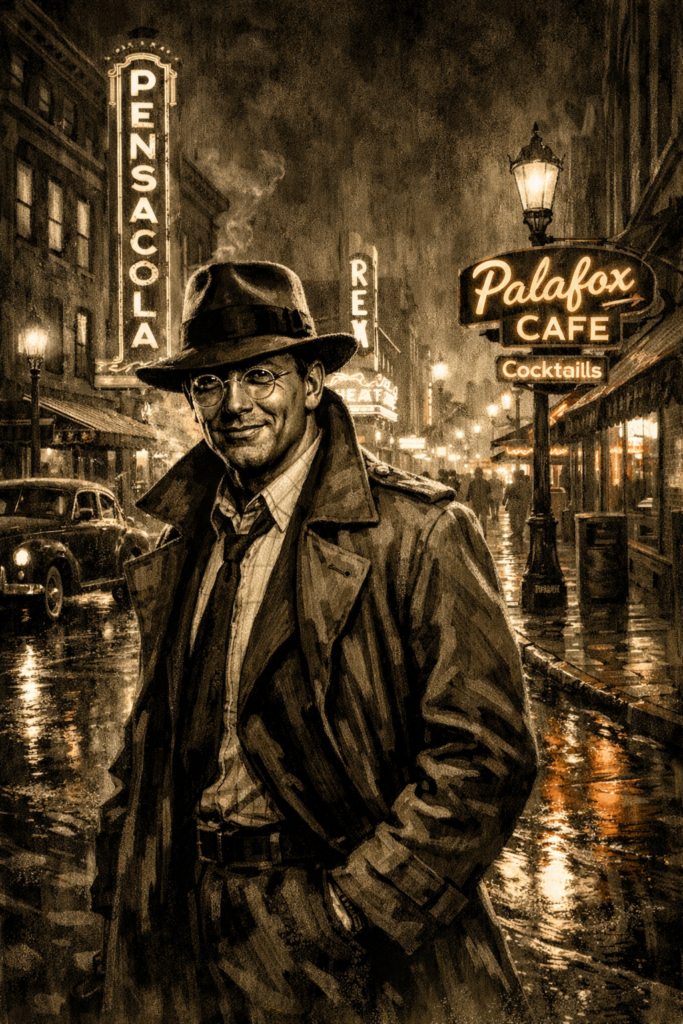
To understand Shuttleworth’s impact on the Pensacola Police Department, you have to understand Pensacola itself in the first half of the twentieth century. This was a port town, with salt air, ship horns, sailors on leave, bars glowing late along Palafox and side streets that never quite made it into the postcards. Crime came with the territory. And when it did, people expected one thing: that “Happy” Shuttleworth would eventually show up.
Born in Pensacola in 1908, just before the new headquarters opened at 407 South Jefferson Street, Shuttleworth was a hometown product in every sense of the word. He knew the town, knew the people, and, maybe most importantly, knew how they thought. His early years were rough around the edges. He was arrested more than once as a young man, including an arrest in a house of ill repute. In later years, those stories didn’t tarnish his reputation; they sharpened it. Shuttleworth understood human weakness because he’d seen it up close.
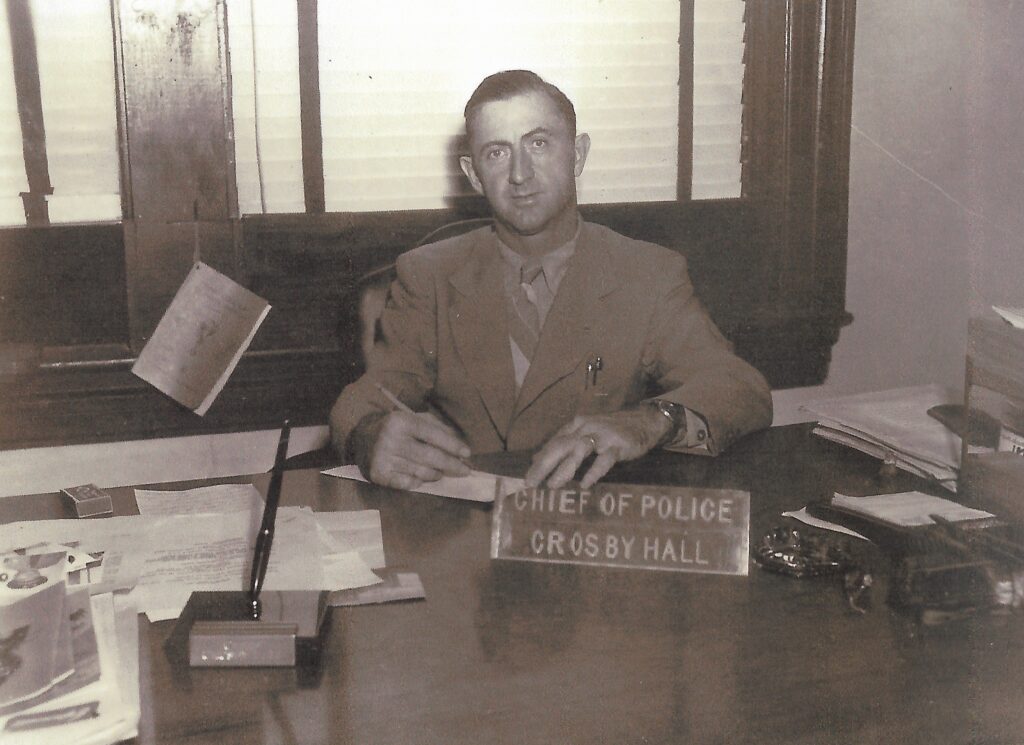
When he joined the department in 1927, he found his calling. What followed was a meteoric rise through the ranks, driven not by politics or polish, but by results. By the time he teamed up with fellow detective Crosby Hall, who would later become chief, their presence at a crime scene had the effect of a marquee light. People noticed. Suspects noticed more.
The newspapers loved Shuttleworth. They built him into something larger than life, and he leaned into it with a grin and a wisecrack. The nickname “Happy” came naturally, earned through his constant repartee and sharp humor, even when standing over the wreckage of someone else’s bad decisions. But make no mistake: beneath the jokes was a relentless detective.
One of the most famous stories says everything about how his mind worked. In the 1940s, Pensacola was being hammered by burglaries – three to four hundred of them – with no arrests. Hall and Shuttleworth responded to yet another break-in. This one was no different than the rest, except for one small detail: a bar of peanut candy had been stolen.
“I know who it is,” Happy said.
No lab work. No informants. Just instinct built from years of watching people and patterns. They went straight to a local thug known for his sweet tooth. He confessed.
That was Shuttleworth’s gift. He didn’t just chase evidence; he chased behavior. He understood that criminals repeat themselves, not just in method, but in habit.
So respected was he that when offered a promotion to captain, Shuttleworth turned it down so he could remain Chief of Detectives. Rank mattered less to him than the work. Eventually, he did accept the captain’s bars, but only after leaving behind a detective division shaped by his standards…thorough, patient, and unapologetically hands-on.
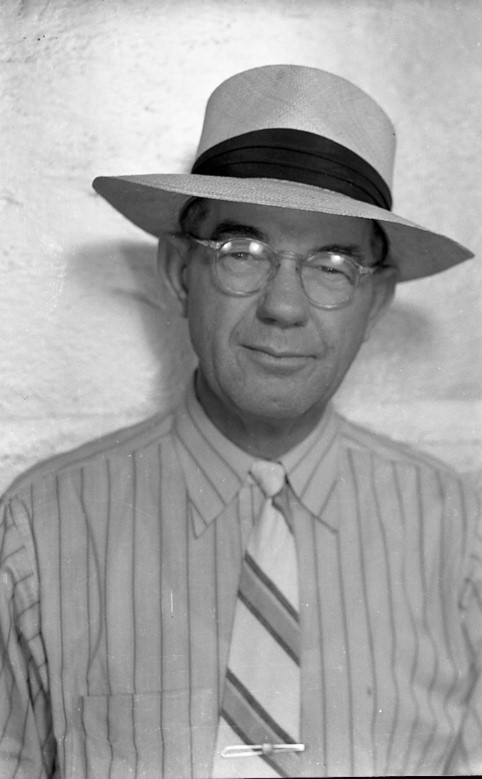
After twenty-five years of service, he retired, leaving behind a department better than the one he’d entered. When Captain Raymond “Happy” Shuttleworth died suddenly in 1958, Pensacola lost more than a retired officer. It lost a symbol of what policing could be when done right: local, instinctive, tireless, and human.
Today, his name still echoes in old stories and yellowed clippings. Not because he chased fame, but because he chased the truth, one case at a time, on streets he knew like home.
Rest in peace, Captain Shuttleworth.
Pensacola remembers.
Michael Earl Simmons is the director of the George Stone Criminal Justice Training Center in Pensacola, Florida. He is a retired Pensacola Police Officer, author, police historian and international speaker.
Discover more from Sweet Tea Murders
Subscribe to get the latest posts sent to your email.