
End of Watch May 7, 1940
By Mike Simmons
Some say it began before the Civil War. Others say it was created after 1900. Most say that New Orleans jazz was made when some musical entrepreneurs added some home music, some church music, and some barroom music into a huge pot of New Orleans gumbo and mixed it up. The result – Jazz!
No one really knows exactly how it came about, but one thing is for sure…Jazz was gaining popularity when Andrew Schmitz was born to Nicholas and Louisa Schmitz on May 10, 1880.
Although we don’t know exactly when he moved his home from New Orleans to Pensacola, the 1890 New Orleans City Directory listed him as living in that city. The 1900 Federal Census showed that he lived in Pensacola with his family, and he worked with the “police/fire.”
In 1902, he was a fireman. In 1905, he was an electric car conductor. In 1907, a fireman again. As a member of the Pensacola Police Department, he made quick progress, becoming a special officer by 1911. Interestingly, he was also the president of the International Alliance Theatrical Stage Employees. He did a great job as a special officer – a detective. However, he was such an asset in everything he did because, in 1913, he was called back into the Pensacola Fire Department to serve as Assistant Chief.
Apparently, Andrew refused the appointment. On June 7, 1913, the Pensacola News Journal reported the offer for the assistant chief position. Three weeks later, on July 1, he is listed as a detective in the police department.
During his long and distinguished career, Andrew worked on some of the biggest and most notable cases in Pensacola’s history. One notable case was the 1930 arrest and conviction of Roland Lalone, Watson Moulthorpe, and Leo Landry42. They were tried and convicted of the murder of a Jacksonville, Florida, police officer and the attempted murder of another. They were caught in Pensacola, and Andrew, along with Archie Bowman and Ollie Everitt, was one of the lead officers on the case. A short while afterward, the case was re-enacted on prime time…radio.
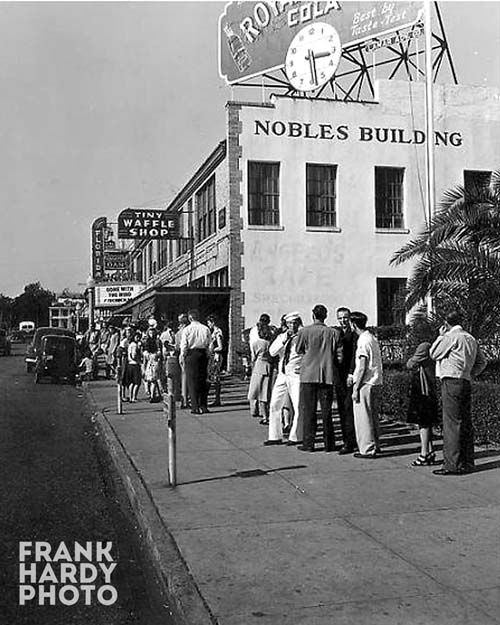
Eight years later, Archie was involved in the hunt and arrest of Ben Davis, who shot and killed Andrew’s partner, Archie Bowman, mentioned earlier in this book.
On May 7, 1940, the sixty-year-old officer, who had been working with the Pensacola Police Department off and on for forty years, was at work another day. After having been on the streets for forty years, there wasn’t much the old veteran hadn’t seen.
As the old saying goes, “April showers bring May flowers.” In most of the United States, the month of May signals the end of springtime and the beginning of summer. Many people get spring fever and want to venture outdoors. In Florida, however, summer has already arrived by the fifth month. The average temperature in Pensacola is 82 degrees, and it is much hotter sometimes. Of course, that is always mixed with high humidity. But it is still good to be outside!
That’s how Archie felt on May 7. He was in good spirits and felt great! On this occasion, he and young E. L. Madsen were riding in their patrol car together. Schmitz was – as always – in plain clothes. Just after noon, the men received a call about a man who was unruly. Schmitz could usually find the words to say that would calm the situation, so they responded, hoping not to have to make an arrest. It was not to be.
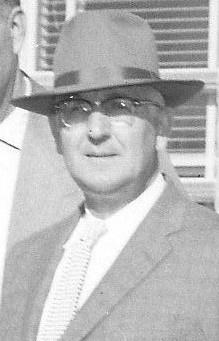
When they arrived, both officers tried to talk to the disorderly man. After attempting the more civilized approach without success, the man was placed under arrest, and that is when the fight started. Eventually, however, the two lawmen got the upper hand, gained control of the prisoner, and took him to jail. It was at this time that Archie began feeling bad. He became exhausted from the fight.
This day was also the day that the primary elections were held. As Officer Madsen was casting his ballot at 15th and Maxwell Streets, Archie Schmitz collapsed. He was immediately taken to the home of Dr. Charles Born, who lived about four blocks away. After the good doctor worked on the old officer, Archie was taken home. Later, however, when Archie’s condition continued worsening, he was rushed to the hospital. He died that evening.
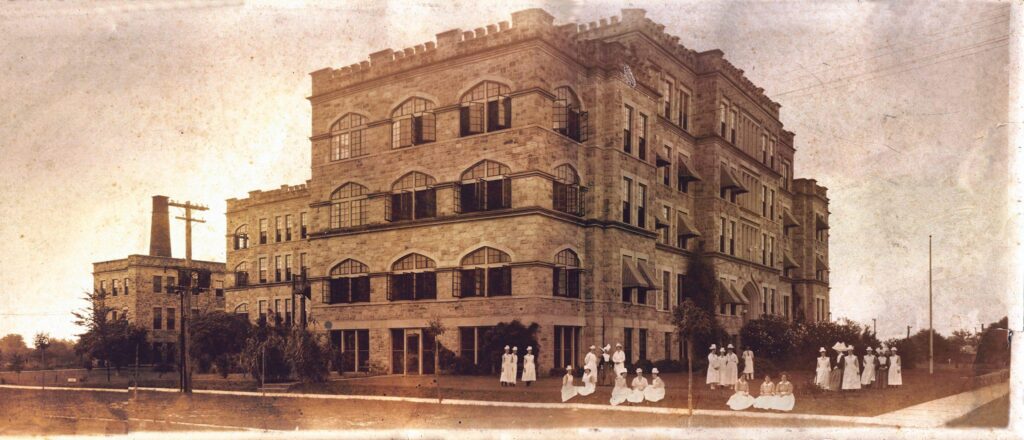
It was the end of an era. None of the officers had been there longer than Archie. No one remembered the place without him. Many were not even born when he started. He was an icon. A legend had died, and the police department would never be the same.
Survivors include his wife, Mrs. Marie Schmitz, two brothers and seven sisters. A funeral service was held two days later at his home at 1750 West Government Street and was attended by throngs of people. As was the custom, the service continued at Christ Episcopal Church later in the afternoon and concluded with the burial at historic St. Michael’s Cemetery.
Discover more from Sweet Tea Murders
Subscribe to get the latest posts sent to your email.