
In 1964, downtown Pensacola belonged to the people who lived here.
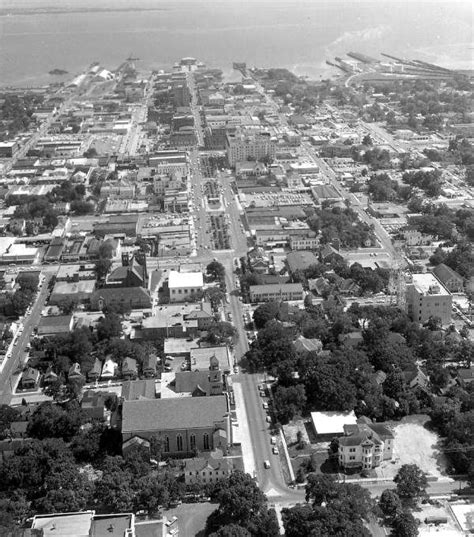
Palafox Street was not yet the collection of restaurants, boutiques, and entertainment venues that we know today. It was the commercial heart of our town—the place where Pensacola shopped, worked, conducted business and encountered its neighbors.
During the day, automobiles filled the angled parking spaces along the curbs. Most were broad, heavy American cars with chrome bumpers, bench seats and tail fins that had only recently begun to disappear. City buses rumbled through downtown. Delivery trucks stopped behind the stores, bringing merchandise that clerks arranged inside brightly decorated display windows.
The sidewalks carried businessmen in suits, women shopping in dresses and gloves, sailors from the naval air station, store clerks, port workers and children holding their mothers’ hands. A person might stop at a pharmacy, eat at a lunch counter, visit the bank, purchase a new pair of shoes or catch a picture at the Saenger Theatre. People still dressed to come downtown. They also recognized one another.
A trip along Palafox Street might include several conversations—not because they had been planned, but because that was what happened in a smaller Southern town. Someone would know your family. Someone would remember where you went to school. Someone might ask about your mother before asking about you.
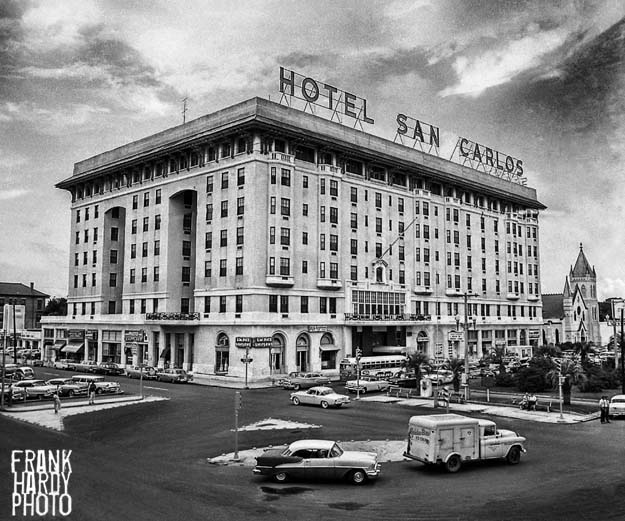
The San Carlos Hotel rose above Palafox and Garden, its rooftop sign visible across the city. The Blount, Brent and Thiesen buildings gave Pensacola the appearance of a proud, established commercial center. Below them, fabric awnings shaded the sidewalks while signs advertised department stores, jewelers, pharmacies, cafés, hardware and furniture.
Downtown possessed its own mixture of smells. Salt air drifted northward from Pensacola Bay. Near the waterfront, it blended with fish, damp timber, boat fuel and the industrial smells of a working port. Along Palafox came automobile exhaust, tobacco smoke, hot pavement and food cooking inside cafés. During warmer months—and there were plenty of them—the heavy Gulf Coast humidity seemed to hold every smell close to the street.
Pensacola was growing, but it was still deeply connected to the water, the port and the military. It remained a place where old families, newly arrived servicemen, immigrants, laborers and business owners crossed paths every day. It was our town. It was also a town living through change.
The Civil Rights Act had been signed only months earlier. Laws were changing, but customs, attitudes and inequalities did not disappear overnight. Black and white Pensacolians occupied the same downtown streets, but they had not always been permitted to experience the same stores, restaurants and institutions in the same way. The old order was being challenged, and the city—like the rest of the South—was struggling toward something different. By daylight, downtown was full of commerce, conversation and familiar faces. Before dawn, it became another place entirely.
A Stranger Comes Home
Into this Pensacola came Henry Thomas “Hank” Killam. Hank was not entirely a stranger. Pensacola was home. His mother, brothers, and sisters were here. But he had been living in Dallas, where he worked as a house painter and married a young woman named Wanda.
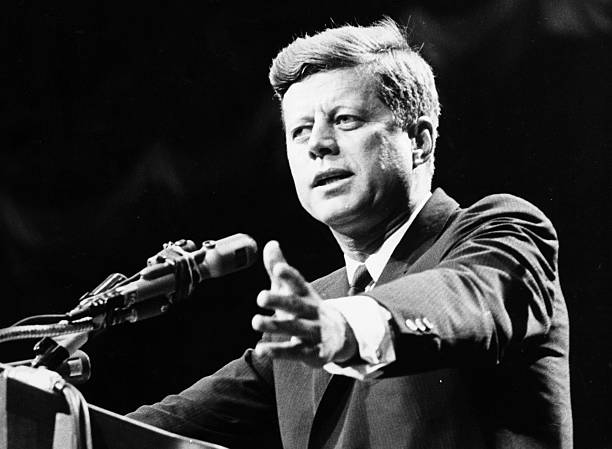
Then, on November 22, 1963, President John F. Kennedy was assassinated in Dallas. The shots fired in Dealey Plaza changed America. They also changed the meaning of certain names, places, and relationships within Hank Killam’s world.
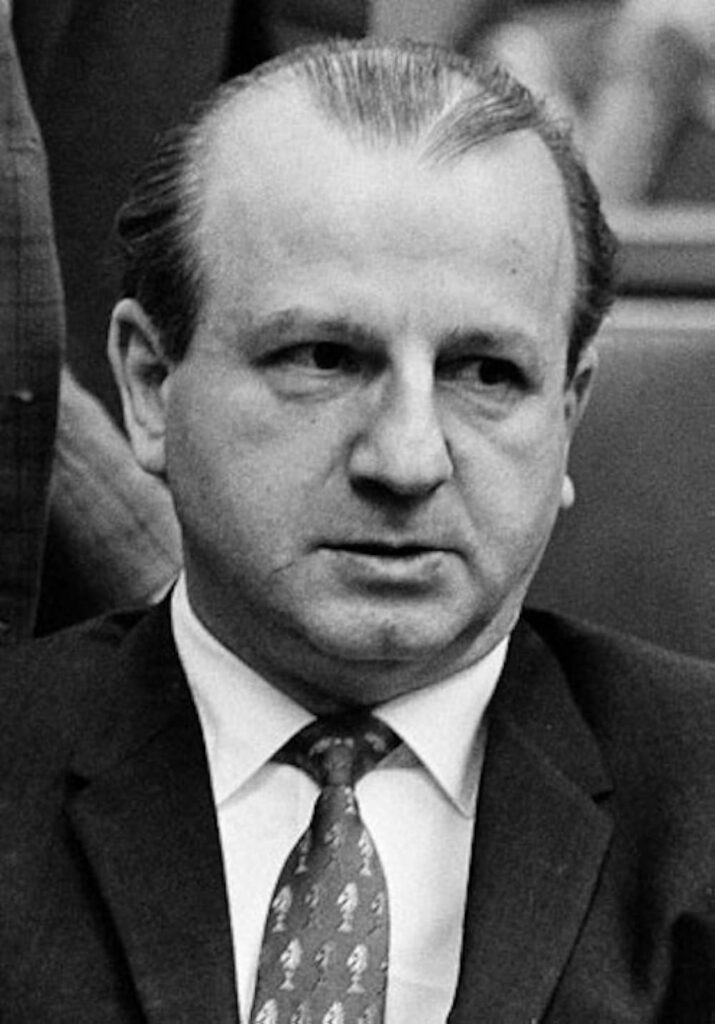
Hank’s wife had worked at Jack Ruby’s Carousel Club. Ruby would become one of the most recognizable men in the country after he stepped from a crowd of reporters and police officers and fatally shot Lee Harvey Oswald.
Hank had also worked with a house painter named John Carter. Carter had lived at a Dallas rooming house associated with Oswald.
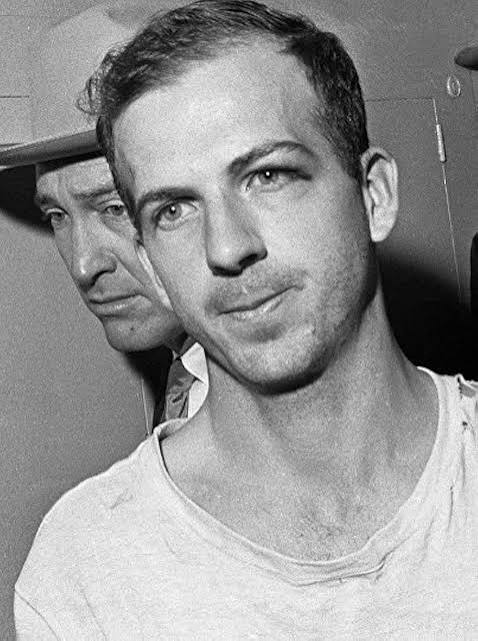
These connections do not establish that Hank participated in anything illegal. They do not prove that he possessed information about the assassination. In another time, they might have meant nothing at all. But this was not another time.
A president had been murdered. His accused assassin had been killed before he could stand trial. Investigators were attempting to identify everyone who might have known something—and a frightened nation was searching for answers. Hank began to believe that people were watching him…and they might have been.
He told his family that he was being questioned and followed. He spoke of “agents and plotters,” although he did not clearly identify them or explain what they wanted. He became increasingly nervous. The fear followed him from one job to another until, finally, Hank left Dallas.
Even though he was wanted in Pensacola for violating the conditions of his probation from an earlier arrest, he still traveled there, hoping distance might provide safety. But according to those close to him, the fear did not disappear. Neither did the mysterious file.
The Papers He Guarded
Hank carried a folder stuffed with papers. He took it with him when he fled Dallas, guarded it during his travels and eventually brought it home to Pensacola. No one seems to have known what the file contained.
Hank would not show it to his wife. He would not reveal its contents to his mother, his siblings or the other people closest to him. Whatever those papers were, Hank evidently believed they were important enough to protect—and dangerous enough to conceal.
Were they documents connected to the Kennedy assassination? Were they ordinary papers that acquired greater importance in the mind of a frightened man? Or did they concern an entirely different danger? We do not know.
That is one of the great frustrations of Hank Killam’s story. The file might have explained why he ran, why he was afraid and why he believed someone intended to kill him. But the file would not survive him.
Back to Romana Street
By March 1964, Hank had returned to his mother’s home on West Romana Street. He had come back to the city that knew his family. Back to the familiar streets, the humid air and the smell of Pensacola Bay. Back to a place where he might have expected to feel safe. But Hank did not appear to feel safe.
His family saw a man who was nervous, restless and deeply troubled. He reportedly believed that the danger from Dallas had followed him. When his brother Earl pressed him for an explanation, Hank would not provide the details.
Instead, he reportedly gave him a warning: “I’m a dead man. I’ve run as far as I’m going to run.” It is possible that Hank’s fears had overtaken him. It is possible that there were no agents or plotters—that a vulnerable man had become consumed by paranoia following a national tragedy. But it is also possible that Hank had a reason to be afraid.
Something had caused him to leave his wife and flee Dallas. Something had followed him, at least in his mind, across Florida. Something compelled him to guard that file from everyone he loved. And then came the telephone call.
Before Daylight
During the early morning hours of March 17, the telephone rang inside the Killam home. Hank’s mother awakened and heard him answer it. She apparently did not know who was calling or what was said. Later, she awakened again and heard a car door close. Then she heard an automobile pull away. One major problem with that…the Killam family did not own a car.
If the sounds were connected—and if Hank left in that automobile—someone knew where he was staying. Someone called before daylight. Someone came to the house, and Hank went outside to meet that person.
A short time later, before daylight, downtown Pensacola was still sleeping. The department stores were dark. The buses had not begun carrying the morning crowds. The sidewalks that would soon fill with shoppers and workers were nearly empty. Streetlights reflected from glass storefronts, chrome automobile trim and patches of pavement dampened by the Gulf air.
Near the intersection of Palafox and Intendencia streets, the sound of breaking glass shattered the quiet. Two city workers saw a man staggering near a damaged storefront window. Blood poured from a deep wound to his neck. He managed to move along the sidewalk before collapsing.
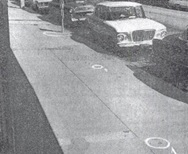
The wounded man was Hank Killam. He died before the people who loved him could learn what had happened. His death was classified by police as a probable suicide. The county coroner reached a different conclusion, calling it accidental.
But…the file Hank had guarded from Dallas to Pensacola disappeared. It has never been found.
The Story Beneath the Street
Today, thousands of people pass through Palafox and Intendencia without knowing what happened there. They drive through the intersection on their way to work. They walk past on their way to dinner. Visitors admire the architecture, photograph the storefronts and enjoy the energy of downtown Pensacola. But beneath the familiar streets are older stories.
They belong to the people who walked here before us—the shopkeepers, police officers, sailors, laborers, families, victims and witnesses whose lives became part of the city we inherited.
Hank Killam’s story connects our hometown to one of the greatest mysteries in American history. But its importance is not limited to Lee Harvey Oswald, Jack Ruby or the assassination of President Kennedy.
At its heart, this is the story of a frightened man who came home to Pensacola seeking safety. He answered a telephone before daylight. A car came and went. Hank was later found dying on the street. And the file he had protected across hundreds of miles vanished with him.
One fact standing alone might mean very little. Put all the facts together, and the death of Hank Killam begins to look very different.
On September 10, at Sweet Tea Murders LIVE, we will return to Pensacola in 1964, follow Hank’s journey from Dallas and reconstruct the final hours of his life. We will examine the evidence, the contradictions and the questions that were never satisfactorily answered.
Because Sweet Tea Murders is about more than crime. It is about discovering the history hidden beneath the streets we travel every day. It is about remembering the people whose voices have faded and seeing our hometown with new eyes.
Hank Killam died here. His story belongs to Pensacola.
And it deserves to be told.
For tickets to Sweet Tea Murders LIVE, go to sweetteamurders.com/events/. Hurry…seating is limited.

Discover more from Sweet Tea Murders
Subscribe to get the latest posts sent to your email.
This is the first time I have heard about this? Very interesting!
Very interesting. Thanks.
Hey Mike
You should consider live streaming for those who don’t live near enough to Pensacola to attend in person.
Thank you, Donna. I am working on that in the future.
I remember this, as Hank frequented the bars that my family owned downtown on Palafox. I can remember my mother talking about it when he was killed.