
“See that man?” my granddaddy said to me, pointing to the church usher.
“Yessir,” I replied.
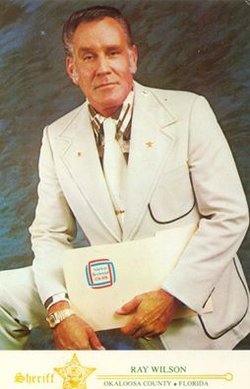
“That’s Ray Wilson, the High Sheriff,” he said.
I looked at the man in awe. My father was a city policeman, so I knew what it meant for a man to be the “High Sheriff.”
Not only that, but the next time I was visiting my grandparents in the small, rural town of Crestview, Florida, we were at church…and Sheriff Wilson bent over, smiled at me, and SHOOK MY HAND!
A real live celebrity shook MY hand. Wow! For years, I remember thinking, “What a nice man.”
After growing up and following in my hero’s (my father) footsteps, I began writing about old crimes and historic lawmen.
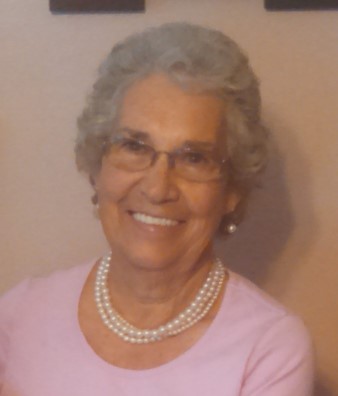
I was talking with my mama one day about my stories. My mother, Loetta, is 90. People ask me, “Is your mother alive?” Or they ask, “Is she still all there?” Let me tell you, my mother is not only alive, and still all there, she is more there than most people I know. I tell people that she will probably attend all of her kids’ funerals! Yes…she is ALL THERE.
She is also unimpressed with most stuff. She has seen the end of the depression, hard times, a world war, spent a life married to a police officer and raising five kids…there ain’t much to be impressed about.
So I mentioned to Mama that I had in mind another true old southern crime to write about, thinking she would think, “Oh Wow! Good one!”
Nope.
Mama looked me in the eye and said…
“You need to write ‘bout Ray Wilson.”
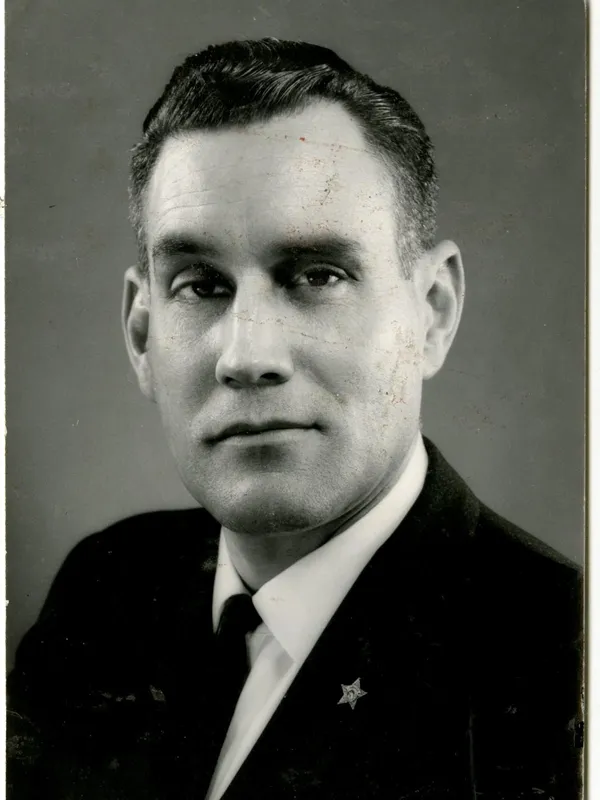
Well, of course I knew who she meant. Not only was he the sheriff of Okaloosa County, but he served in that position longer than any sheriff before or since, and he was nine feet tall – at least to the child in me.
“But Mama,” I asked, “What is there to write about, other than him being a sheriff?”
“Mama didn’t just suggest it—she handed me the thread of a story that had been waiting nearly twenty years to be told properly.”
She proceeded to tell me the story…
In the late 1800s, most of West Florida was a rough frontier – a paradise for criminals running from the law. It was one of those places where you met someone and didn’t know if the name they gave you was the real one or not…and you didn’t ask.
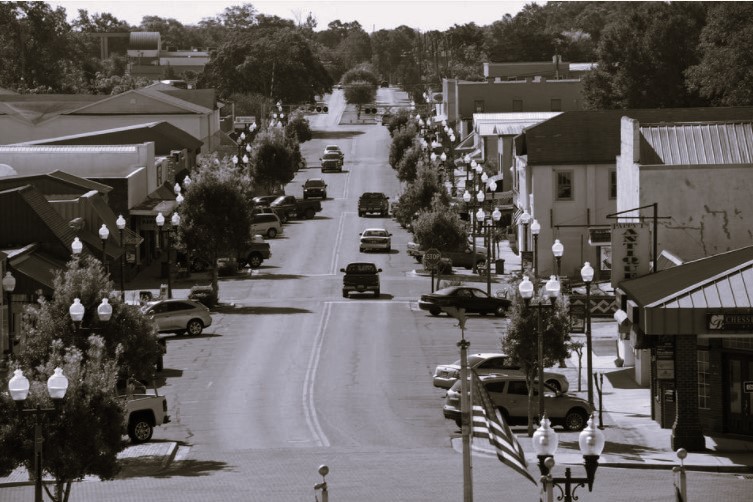
The town of Crestview, Florida is located about 50 miles east of Pensacola, in the rural Florida panhandle. The small community began as a whistle stop for the railroad. It was so named because it is situated on the crest between the Yellow and Shoal Rivers. It was a rough community.
By the early days of the 20th century, Crestview was known for it’s lawlessness. In 1915, the Florida legislature voted to take part of east Santa Rosa County, and part of west Walton County and form a new county – Okaloosa.
Making a new county didn’t slow the “roughness” down, though. The county – especially Crestview, was known for prostitution in the saloons and boarding houses, moonshine, and gambling. The townspeople resented it. Rumor was that the law turned a blind eye.
Ray’s daddy was named Lester Wilson. Lester was one of the first marshals in Crestview. When he took office, he began cleaning up the town, a move that was not popular with those who profited from the vices of others.
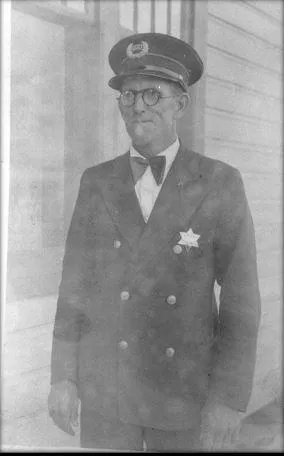
But Lester realized that, in order to really make a difference, he would have to be elected sheriff. So, after his term was up, he resigned to focus on the top job in the county law enforcement.
The front porch talk was that those in control of the illegal activity were not happy about a “Sheriff Lester Wilson.” On March 1, 1939, Lester shot and killed Murray McArthur. Lester was charged with murder by Sheriff Steele but claimed that McArthur came at him with his gun first, and Lester had to defend himself. Charges were dropped.
Tensions, however, remained high. Two weeks later, on the evening of March 17, with his wife and 12-year-old son Ray in the other room, Lester was sitting in his living room reading the paper. His jalousie windows were open. Without warning, a blast from a 12-gauge shotgun aimed at his head from a few feet away found its target and delivered a deadly shot to his head. As he slid to the floor, the newspaper was dropped from his hand.
As he lay dying, Ray was the first to reach him. Sitting down in the midst of the puddled blood and smell of gunpowder, he cradled his dad’s head in his lap on the floor and watched the life drain from him. As death neared, Ray promised his dad, “I’ll find out who did this…and justice will be done.” It is not known if Lester heard the promise…but Ray did.
The town was stunned. State Attorney E. Dixie Beggs led the investigation. Sheriff John P. Steele offered a reward. Even Representative Bob Sikes pushed for the FBI. But leads dried up. The case went cold for nearly eighteen years.
Have you ever carried a promise from childhood into adulthood?
Ray Wilson left boyhood in that moment. Other boys remembered baseball games and fishing trips. Ray remembered blood on the living room floor and a promise he had made to his father. In 1956, Ray was elected the youngest sheriff in Florida. When he was running for office, he was asked if he was only running to get revenge for his father. Ray insisted he was not. One of his first tasks upon taking office was to reopen the Murder case against Lester Wilson.
In 1958, after months of investigation, authorities arrested three men: brothers Doyle and Jesse Cayson, and William Dorace Brown. The trial packed the courtroom with spicy testimony—old grudges, alibis about fishing trips, conflicting accounts. The jury convicted Doyle and Jesse Cayson of first-degree murder. They received life sentences. Brown was acquitted. Appeals went all the way up, but the convictions held. The brothers eventually served time before parole years later.
The full details of who planned that porch ambush may never be perfectly clear. Small Southern towns have long memories and longer silences. But one thing stands: a son fulfilled the promise he made while holding his dying father.
Reflections From the Porch
This story always makes me pause. It shows how personal ambition and public duty collide in these Panhandle communities. Lester Wilson wanted to clean things up. Whether the murderers’ motive was protecting illegal profits or old political grudges, the violence that followed reveals the darker side of small-town power.
But the real heart of it is Ray. A twelve-year-old boy who could have let bitterness destroy him chose instead to become the lawman his father hoped to be. He didn’t just talk about justice—he delivered it, years later, through patience and persistence. That’s the kind of Southern resolve you don’t see in every tale.
My mother and grandparents knew that world—the close-knit churches, the shared stories, the way one violent night could echo for decades. When Ray became sheriff, it felt like the circle had come around. Mama was right. This was the one worth telling.
These old cases aren’t just about who pulled the trigger. They’re about what we choose to do with the pain we inherit. About promises kept across a lifetime. About how even in the shadows of moonshine, vice, and vengeance, a determined man with a badge can still bring light.
If you’re from Crestview or Okaloosa County and have family memories of Lester Wilson, Ray, or that era, I’d love to hear them in the comments. The best porch stories grow when more voices join in.
Until next time, keep the tea sweet, hold your loved ones close, and remember—justice sometimes takes the long way around… but it has a way of showing up.
Michael Earl Simmons
Retired Homicide Detective & Southern Crime Historian
Pensacola, Florida
Discover more from Sweet Tea Murders
Subscribe to get the latest posts sent to your email.