
An excerpt from the book, “Some Gave All,” available on Amazon
By Mike Simmons
End of Watch Sunday, February 22, 1953
The town of Pensacola, an old historical town, was growing…GROWING! The railroad was in full use, the port was full of ships, the pines and oaks in the forests were being mown down, and the U. S. Navy operated a large naval base 4 ½ miles to the west. It was an exciting time to live there!
The Richmond Simmons family made the town their own. The kids, grew up in town. As a young man, one of the children, Riley, worked at several jobs. However, when he was 24 years old, he began what would be his lifelong career as a lawman. On April 22, 1905, he joined the Pensacola Police Department. He was first put out with an older officer and, with him, walked a beat downtown.
The job appeared to the townspeople to be quite exciting and almost glamorous. Overall, it was a great position, but it did have its drawbacks. The officers on foot patrol spent the entire shift on their feet, walking. When it was freezing cold, they walked. When it was stifling hot, they walked. When it was driving rain, they walked. Their uniforms consisted of hard, heavy custodian helmets, and heavy wool uniforms – all for poor pay.
In May 1909, Riley made a life-changing decision when he married Sallie O’Neal. The family grew the next year when William was born. He was the first of five children. After William came Kathleen, Luther, Irene, and Juanita.
Riley Simmons has the distinction of making the first arrest needing the Seldon wagon for transporting to the jail. At about 5:00 PM, on October 30, 1913, Joe Rogero, an old Italian gentleman, had too much to drink – way too much – to the point where he toppled over at Baylen and Zarragossa Streets. Officer Simmons found him passed out on the corner. He took the ride.
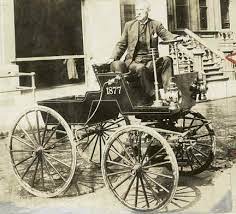
He had been walking a beat for ten years. Finally, Officer Simmons proved to be a dependable, practical officer quickly, earning him a promotion to mounted officer in 1915. With a horse, he was able to cover a larger area of town. But after five years of consistency, which became his reputation, he was called into the chief’s office and given another promotion to corporal.
As the department came to not only respect Corporal Simmons, but to also rely on him more, promotions in rank arrived. As his job was turnkey, he was the next in line to receive the appointment of Lieutenant on November 20, 1925. Six months later he was a captain[5].
July 4, 1926: Four people – husband, wife, son, and niece – lived in the Pickern home on Chipley Alley. It was a hot night, of course. At 3 AM, Captain Simmons knocked on the Pickern’s door and woke up the wife, Hattie Pickern. He discovered the person he was looking for lived elsewhere and Hattie directed him to the correct house. From the front door, he could see Hattie’s husband, Pickern, asleep on the bed.
An hour later, Captain Simmons was advised that an attack had taken place at the Pickern house, where he had just been. When he arrived back there, he found that all four occupants had been attacked and were covered in blood. The kids were not badly hurt, the wife suffered from defensive wounds, and the husband was near death. A bloody axe was found in the bed by the children. An enormous investigation followed, with several suspects questioned and released. After Pickern died, more suspects appeared before the court. Eventually, all were released, and the case grew cold. Thirty years later a confession resurrected the case. A couple of years later, the case grew cold again. It remains so today.
Over the next 20 years, the team of Chief O’Connell and Captain Simmons went through Prohibition, the Great Depression, The on-duty death of Officers Charles Bazzell, Chip Shackleford, Clinton Green, and Archie Bowman[6].
January 15, 1939: Captain Simmons, still the commander of the midnight shift, was driving the commander’s car. In the passenger’s seat was Officer Herbert “Tommie” Hatcher. Just after midnight, the crime fighters got word that a robbery was occurring at the People’s Diner nearby. They responded and arrived in a few minutes. Tommie jumped out and ran inside, where he was met with gunfire to his gut. He went down. Captain Simmons started inside but was shot at by the suspect. Simmons stepped back, then carefully stepped inside and shot the suspect in the head. He died instantly. Chief O’Connell arrived within minutes. As he picked up the dead suspect’s gun, he instantly recognized it as belonging to one of his officers. As it turned out, the officer’s son was the robber. A few hours later, Tommie Hatcher died from his wounds.
So, the son of a policeman killed another policeman and was killed by another policeman. All the officers were friends, then suddenly two of them were dead. It was a sad day.
Captain Simmons was still there when Officers Schmitz, Pursell, Connors and Champa died in the line of duty. On September 1, 1945, Captain Simmons was promoted to Assistant Chief, serving still under his old friend Willie O’Connell. He retired two years later after serving the citizens for 42 years – longer than any Pensacola Police Officer before him.
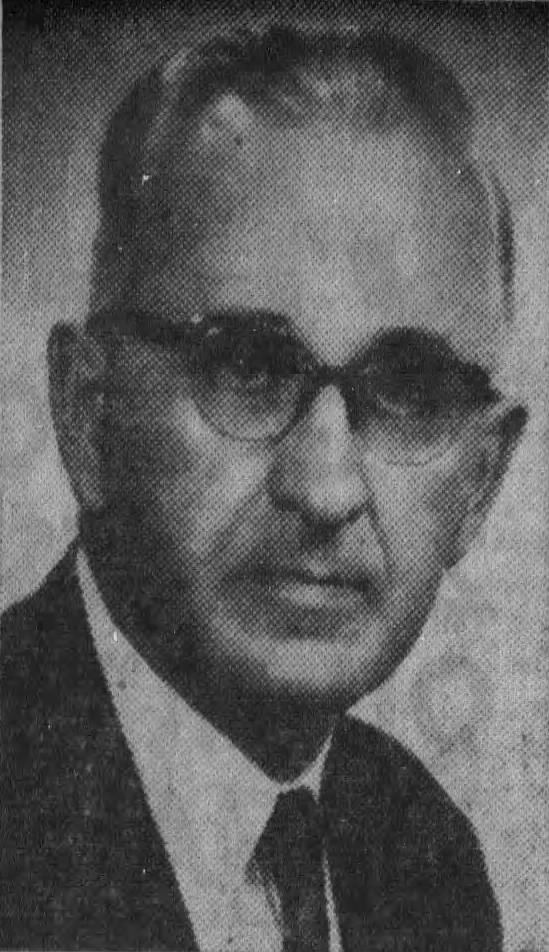
After a few years of retired life, Riley was bored. But what does a 67-year-old man do when he had been a police officer all his adult life? That is the predicament that Riley Simmons found himself in. But it just so happened that his wife’s sister was married to the current Escambia County Sheriff, R. L. Kendrick. So, he joined the sheriff’s department. On February 22, 1953, he was working. He was working in a patrol car with the sheriff when he was stricken. He was rushed to the hospital and soon died…in the line of duty. The old man who was the definition of law enforcement in west Florida, had been involved in hundreds of cases, seen many changes, and buried eight officers killed on duty was now himself dead – while at work. Appropriate. An era had passed.
[1] Encyclopedia of Alabama, Pollard. http://encyclopediaofalabama.org/article/h-3812#:~:text=The%20town%20began%20to%20be,and%20businesses%20near%20the%20tracks. Acquired October 21, 2022
[2] Florida Historical Society. Accessed 05/06/2023. https://myfloridahistory.org/date-in-history/april-11-1908/pensacola-strike-and-riots
09011945[3] Website: The Florida Historical Society; Pensacola Strike and Riots, Acquired October 21, 2022, https://myfloridahistory.org/date-in-history/april-11-1908/pensacola-strike-and-riots
[4] The Pensacola News Journal, July 10, 1910, https://www.newspapers.com/image/352743646/?terms=%22riley%20Simmons%22&match=1 acquired October 21, 2022
[5] Pensacola Police records. Acquired May 18, 2014
[6] Officer Down Memorial Page. https://www.odmp.org/ Acquired February 15, 2022
Discover more from Sweet Tea Murders
Subscribe to get the latest posts sent to your email.